War and Peace (1966)
Holy shit...
...was pretty much my initial reaction after finishing this wildly ambitious seven hour long adaption of Tolstoy's most famous tome. I am honestly not sure I have ever seen a film that is on such an awe-inspiring, epic scale as this one. I have seen multi-part films with a similar running time (for instance Jan Troell's quiet masterpiece The Emigrants / The New Land), and of course there are big blockbusters which aim for a similar grandiose scale (not to say they are good films). Bondarchuk's War and Peace swings for the fences on both fronts and totally hits the mark.
With this epic run- time, innovative film-making techniques and a deep sense of authenticity (featuring genuine priceless antiques from the era) it brings both the book and the historical reality it depicts to life in unparalleled fashion. Just a totally singular experience. Perhaps it's even unfair to compare it to any similar films. The whole project had the entire state apparatus of the Soviet Union behind it and would have been totally inconceivable within a conventional Western production model.
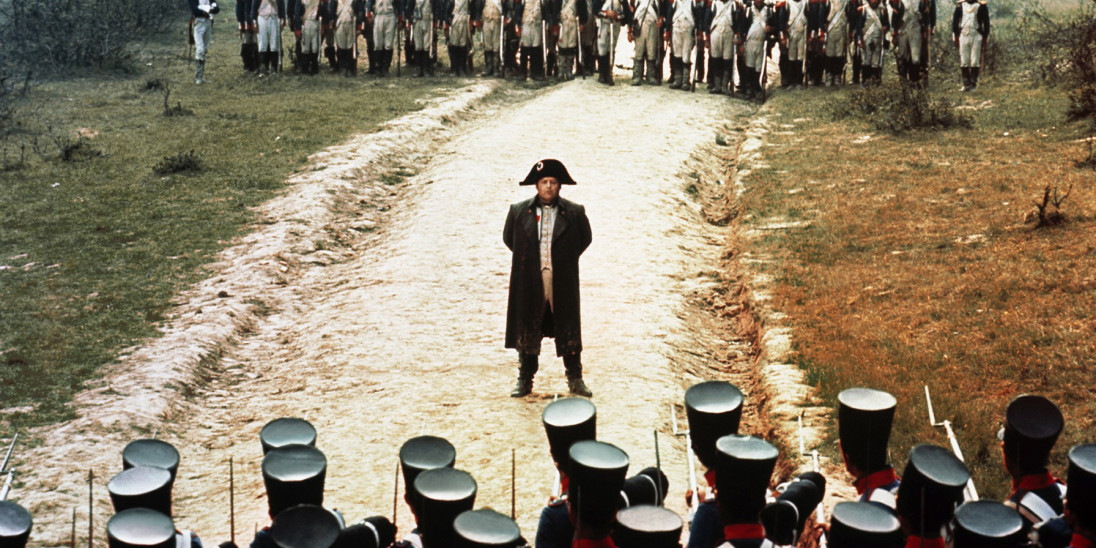
But cold war politics aside, it really is a spectacular film. Over the whole of the seven hours we are given a curious brew of aristocratic romance and historical drama (with more than a pinch of melodrama), as well as absolutely immense battle sequences which I would not hesitate to say are easily the best I have ever seen. Maybe the only thing I can think of which even comes close are those in The Lord of the Rings trilogy. And if I need to add the obvious point, that film uses modern CGI to achieve it's sense of scale. Bondarchuk on the other hand was able to film with thousands of real soldiers. Thousands of real human beings! I was almost speechless. At times it felt like we are being shown real footage of the Napoleonic Wars.
These battle scenes are incredible, all the more so when combined with the excellent cinematography and innovative camera techniques, but as in the book they perfectly underscore and undercut the petty intrigues and romance of Moscow's high society. And alongside all of this this there are also philosophical inquiries into man's place in the world, the nature of suffering, of love, and various other grand questions.
It's a testament to the direction of the film (and to the book of course) that this doesn't come across as trite nonsense, which it might easily have done. In these sequences the film is actually somewhat reminiscent of the work of Soviet Russia's more famous auteurs. At least it hints towards that. It's like arthouse tendencies suddenly appearing intermittently throughout a Hollywood blockbuster. And yet in this film it works seamlessly in capturing the myriad aspects of human existence, both the particular and the general, much in the way Tolstoy does in the original book.
Boy, what a film.