For my job, I often have to speak at conferences and events sharing aspects of my research, or being asked to comment about certain topical issues.
I make a fairly concerted effort to be as neutral as possible and rely on what the available data is telling me - in fact, my talks are often specifically about something called "material agnosticism" (there is no such thing as a good or bad material, it depends on the context and application in which it is being used). It is a position that is gaining a lot of traction in the product design space, as it doesn't ascribe value based characteristics to something like plastics vs. paper.
On several occasions now, I have had members of the audience make baseless claims completely divorced from scientific reality. The most recent examples were about micro-plastics - at one conference, an audience member said "Microplastics cause heart attacks". The exact opposite occurred at a different event, where somebody claimed that microplastics don't exist. Trying to explain to people what the data is actually suggesting is a fools errand. They either accuse me of being a paid shill, or that they read their own trusted sources (usually on reddit/facebook/youtube).
I don't go into a mechanic and say "I know more about fixing a transmission because I watched a youtube video", so why are these people with no background questioning my knowledge? It takes every ounce of restraint not to call them retarded, and I am forced to be conciliatory and feign respect for their opinions.
I think unintentionally you answered your own question with the mechanic because you absolutely should be very wary of mechanics because they use the fact that they have expertise to lie to you and scam you. Reader's digest did a test on 10 different dentists and seven of them lied completely and charged up to $5,000 for work that didn't need done. The list can go on and on.
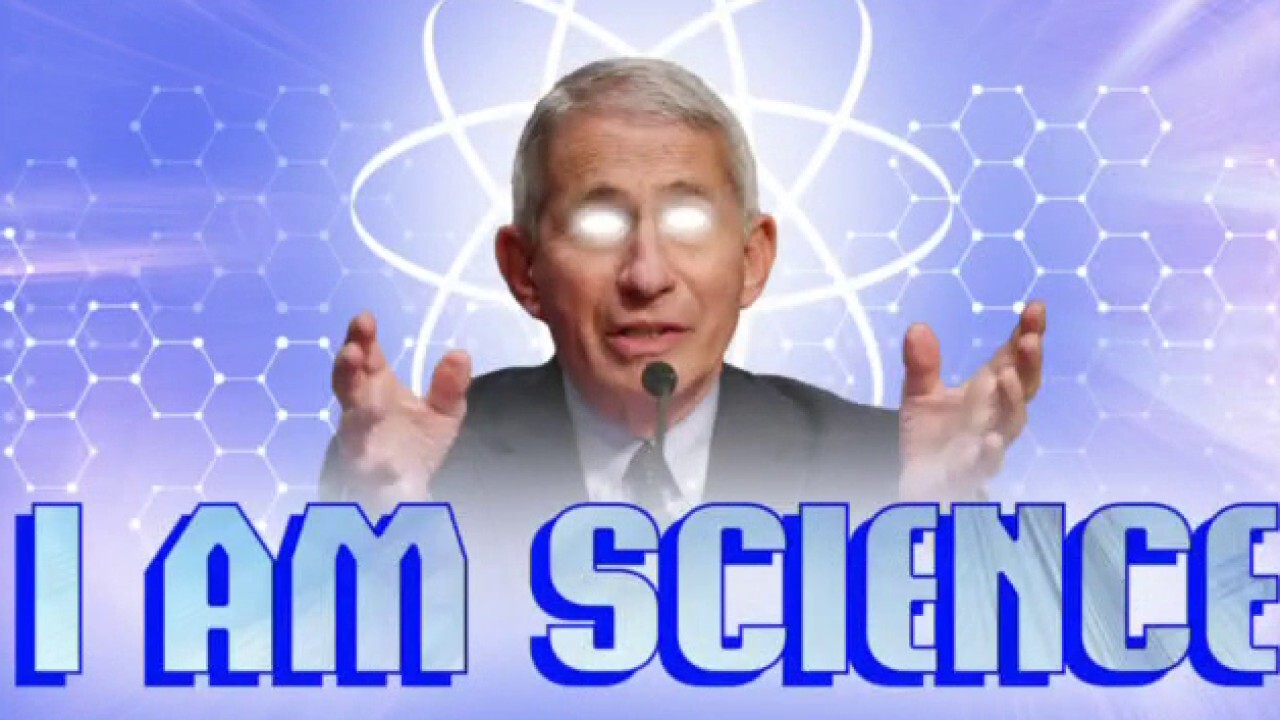
And I think the backlash against the scientific community in part comes from the fact that scientists and scientific organizations have lied and been very wrong and partaken in nefarious activity.
There's also the saying that some ideas are so stupid that only an intellectual could believe them.
So we are in an age where people realize that experts can be wrong unintentionally and they can be wrong intentionally and you can't always take their word for things.
But that's further complicated by the fact that scientific advancement and inquiry is our very best means of gaining truth. So that if we get rid of our experts, we will get rid of human progress on a number of very important fronts.
But it's also true that the layperson is not equipped to analyze the data of many scientific studies and so they can never really vet those things for themselves. And so there's a problem with the whole situation humanity is in in terms of how we know things to be true...
There is no perfect way to navigate this reality. There is no guarantee of certainty. Doctors can be wrong and harm your children. They often are. They can also be right and save your child's life and this priblem runs across all spectrums of expertise.
Personally, I've thought about this a lot and I think that the only real solution is for people to stop lying and manipulating data for selfish ends because this really comes down to an issue of trust and the only way we can move forward collectively is if there's deep trust among all institutions and and humanity itself. Ultimately, this all comes down to moral issues.
But we don't have that trust and so now we have people reacting in various ways, causing all kinds of disorder. But there is no way to fix that unless everyone stops lying.
At bottom this isn't a problem with education or the scientific method... this is a problem with honesty. Human beings lie trust is broken and many people are not in a position to analyze the data to see for themselves.
On the part of people who overreact and just go to distrusting all institutions that's an emotional and psychological weakness. Instead of becoming comfortable with the fact that we can't have certainty in this world and that there is no certainty in this world, they automatically distrust all institutions and experts as if that is somehow going to keep them safe and give them certainty. But what it's really about is shielding them from the psychological discomfort of uncertainty.
And you have people that go the other way and shame anyone for distrusting any institutions or organizations because we have to trust the experts when that is also a psychological weakness that fulfills a need of having certainty when we have none.
And again, all of this is solved by humanity ceasing to lie.
Edit-- this issue is further complicated by scientific materialism believing that we have no spiritual connection, there is no God and that the only way to attain truth is through discursive knowledge. That flatly flies in the face of people's lived experience where they sometimes do know things through intuition that they couldn't have known otherwise. This creates further distrust between the so-called materialists and the lay people and scientists who don't hold to materialism because too many experts wrongly say there is no such thing as intuition and there's no such thing as a connection to knowledge other than through discursive learning. And this distrust is also further fueled by people who put way too much trust in their intuition and are wrong a lot and won't admit it.
The truth is humanity is limited. We have many weaknesses and many unsolved dilemmas and problems and misunderstandings and we have to be comfortable with a melting pot of uncertainties in this world.