By Andrew Lam
Credit...Wenting Li/Ontario College of Art and Design
As a Chinese-American alumnus who interviews applicants to Yale, I’m often asked one question by Asian-American students and parents: “Will being Asian hurt my chances?”
I deflect these queries, since I’m just a volunteer, not a member of the admissions committee. But I understand their concern.
A 2009 Princeton
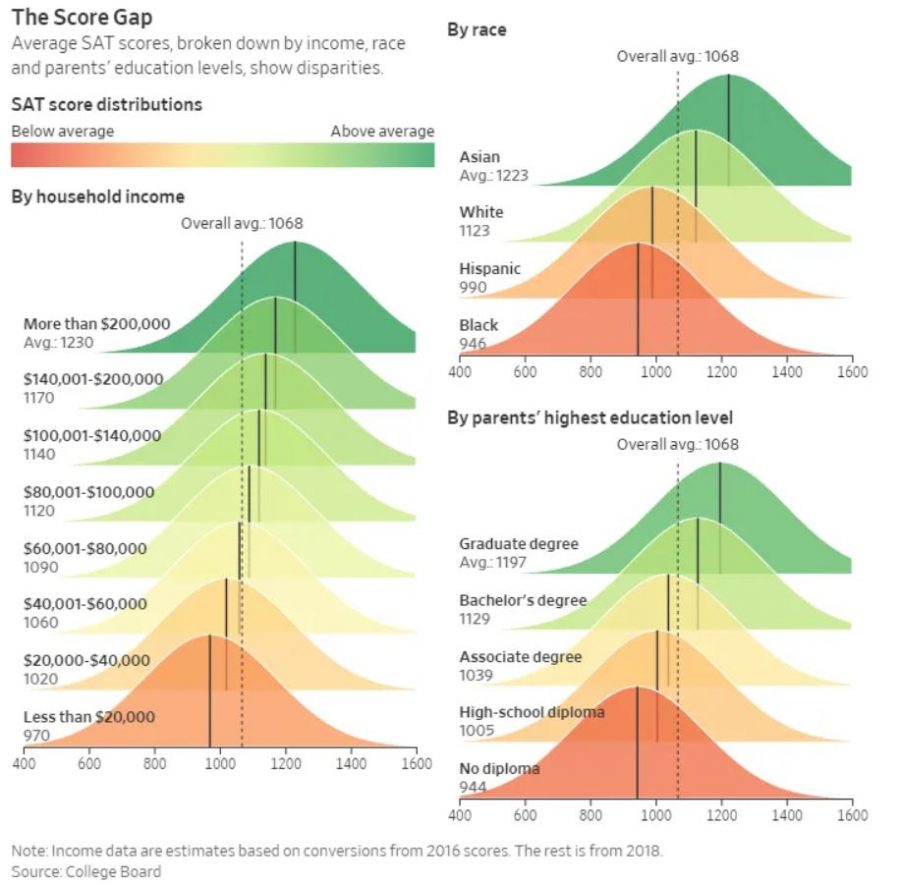
study showed Asian-Americans had to score 140 points higher on their SATs than whites, 270 points higher than Hispanics and 450 points higher than blacks to have the same chance of admission to leading universities. A
lawsuit filed in 2014 accused Harvard of having a cap on the number of Asian students — the percentage of Asians in Harvard’s student body had remained about 16 percent to 19 percent for two decades even though the Asian-American percentage of the population had more than doubled. In 2016, the Asian American Coalition for Education filed a
complaint with the Department of Education against Yale, where the Asian percentage had remained 13 percent to 16 percent for 20 years, as well as Brown and Dartmouth, urging investigation of their admissions practices for similar reasons.
There’s ample evidence that Asian-Americans are at a disadvantage in college admissions. This issue has divided Asians and others who debate the relative benefits of diversity versus meritocracy in our society.
I’ve often heard Asian-Americans express resentment toward blacks and Latinos for benefiting from affirmative action. As a Yale senior, I remember feeling disillusioned myself when an upper-middle-class black classmate with significantly less academic achievement than I was admitted to a top medical school that had rejected me.
But if Asians are being held back, it’s not so much because of affirmative action but because of preference for whites. The 450-point advantage that the Princeton study demonstrated blacks have over Asians draws the most attention. But the number that is most revealing is the 140-point advantage for whites over Asians.