lol dude the State Department is never going to mass release diplomatic communications like that. Wanting transparency is fair, but releasing four years of privileged US communications with other nations would be self-defeating. Diplomacy relies on confidence, so allies and partners will speak candidly. If you burn that trust, you get less truth, not more. The right path is oversight (Congress, etc.), FOIA applicable, and declassification ... not dumping raw, sensitive communications.
As for "academic communities" we are talking about either professors at universities publishing peer reviewed papers in the areas of political sciences and geopolitics, as well as think tanks. I'm not searching google scholar for you, but you can find articles discussing this. Here are some summaries from various sources:
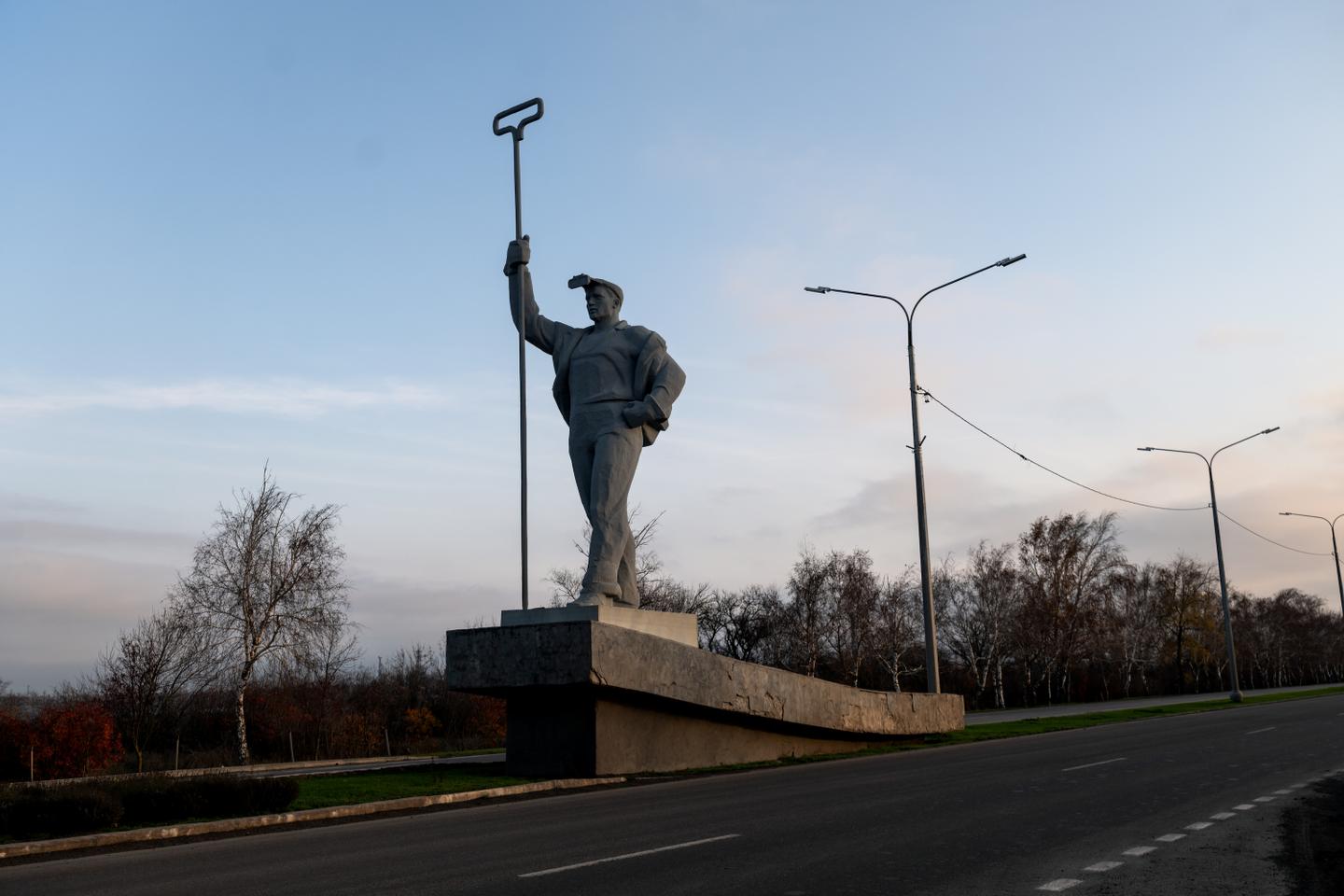
Since 2015, photographer Gabriele Micalizzi has been documenting the Donbas region from the Russian side of the front line, an area where Moscow enforces very strict access conditions for journalists. In November, he secured permission to enter Donetsk Oblast, a region of occupied Ukraine, and...

www.lemonde.fr
These are some of the articles and a lot of them focus on what is happening inside the occupied areas of Ukraine right now. And again the general consensus is that if Russia were to capture the whole country, this would occur throughout the whole country on a scale affecting millions of civilians. You can find think tanks that discuss these scenarios and what would happen. It's not hard to find these discussions.