On brand, WELLACKTUALLY.MEME

AI response...
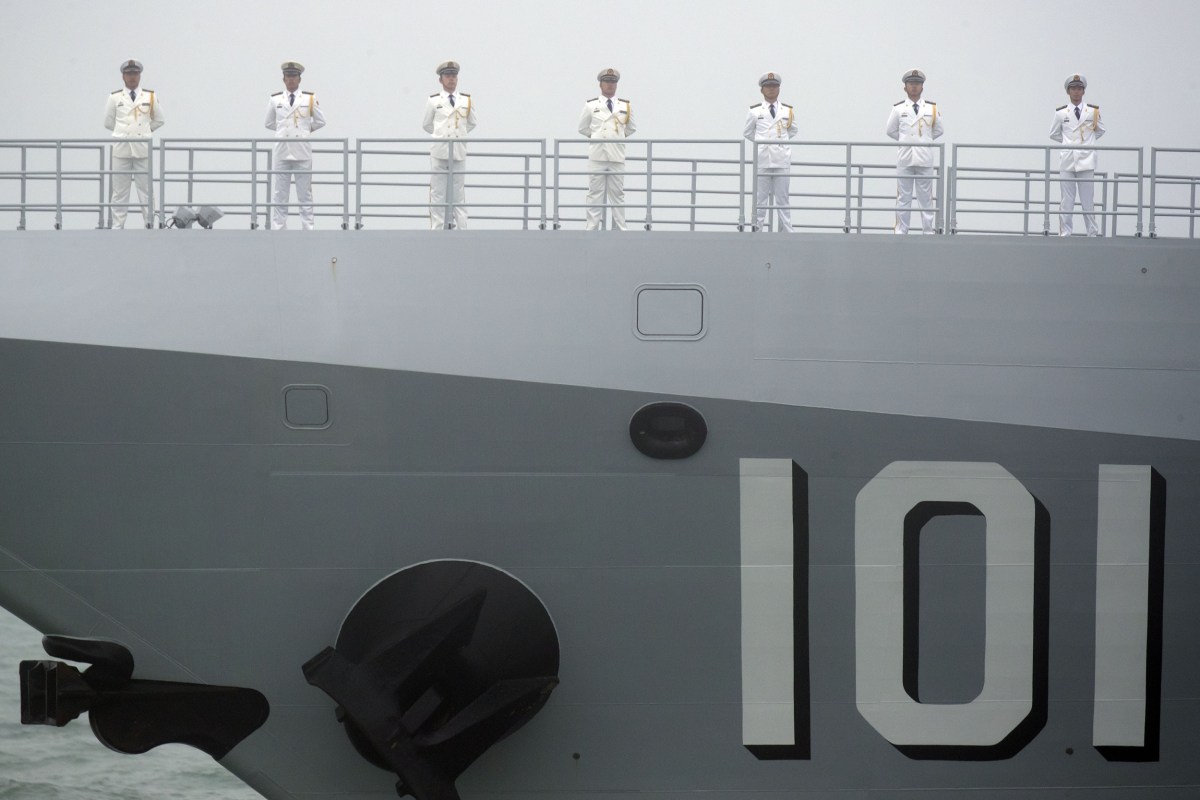
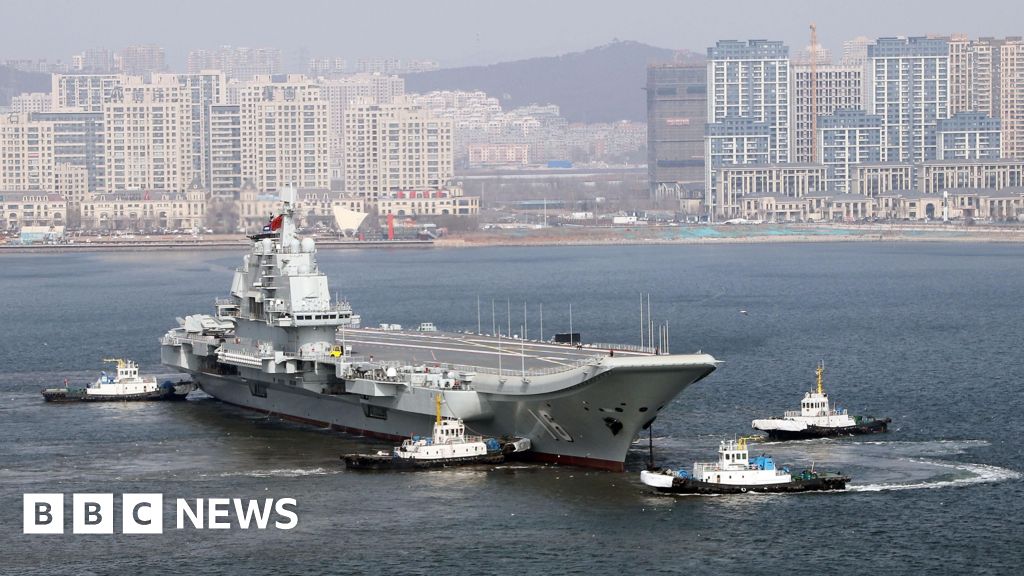
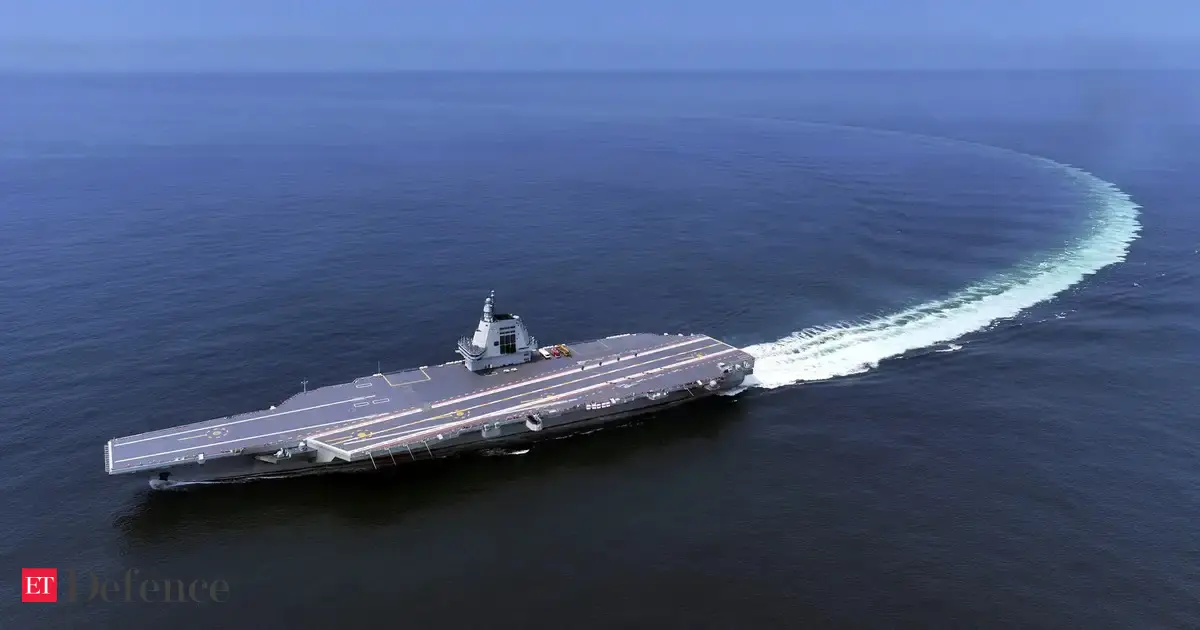
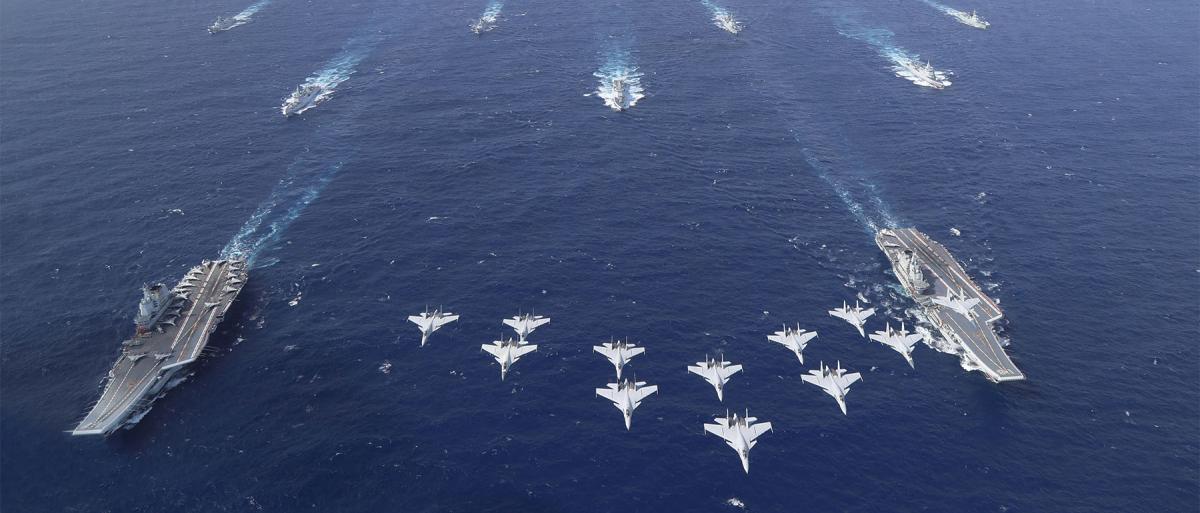
China is rapidly expanding its naval capabilities, transitioning toward a global blue-water navy with a focus on long-range operations, advanced shipbuilding, and strategic infrastructure. The People’s Liberation Army Navy (PLAN) is increasing its fleet size, with projections of 395 ships in 2025 and up to 435 by 2030, while also developing advanced platforms like the Type 076 amphibious assault ship and nuclear-powered aircraft carriers. This expansion is supported by a growing submarine fleet, with estimates suggesting China could reach 80 submarines by 2035, and a network of overseas ports and bases that enhance its global reach.
- Fleet Expansion and Shipbuilding: China’s shipbuilding rate is among the fastest in the world, with over 40 destroyers, more than 50 frigates, around 60 submarines, and multiple amphibious assault ships in service. The country is adding approximately six submarines annually, and shipyards like Jiangnan Changxing and Dalian are simultaneously constructing multiple ship types.
- Submarine and Underwater Capabilities: China is advancing its subsurface fleet, with plans to grow its submarine force to 80 units by 2035. The PLAN is also investing in anti-submarine warfare (ASW) capabilities and developing unmanned underwater vehicles (UUVs) for reconnaissance and surveillance, though the maturity of these technologies remains uncertain.
- Strategic Infrastructure and Bases: China is establishing a global network of strategic ports through the Belt and Road Initiative (BRI), including Gwadar Port in Pakistan, Hambantota in Sri Lanka, Piraeus in Greece, and Djibouti, which serve both commercial and military purposes. Additionally, the Ream Naval Base in Cambodia is being expanded to support naval operations.
- Regional and Global Operations: The PLAN conducts regular operations in the Western Pacific, East China Sea, Philippine Sea, and contested waters, with exercises near Taiwan simulating blockade and precision strike scenarios. The April 2025 Strait Thunder drills included rehearsals for attacks on Taiwan’s energy and port infrastructure.
- International Collaboration: China continues to support naval development in allied nations, such as the recent launch of Pakistan’s fourth Hangor-class submarine, Ghazi, built in China under a transfer-of-technology agreement, highlighting deepening military cooperation.
As of December 2025, China’s naval buildup is a central element of its national strategy, driven by a vision of global maritime influence and military-civilian fusion, with the ultimate goal of achieving a fully capable blue-water navy by 2050.
Now, get fukt, turd.