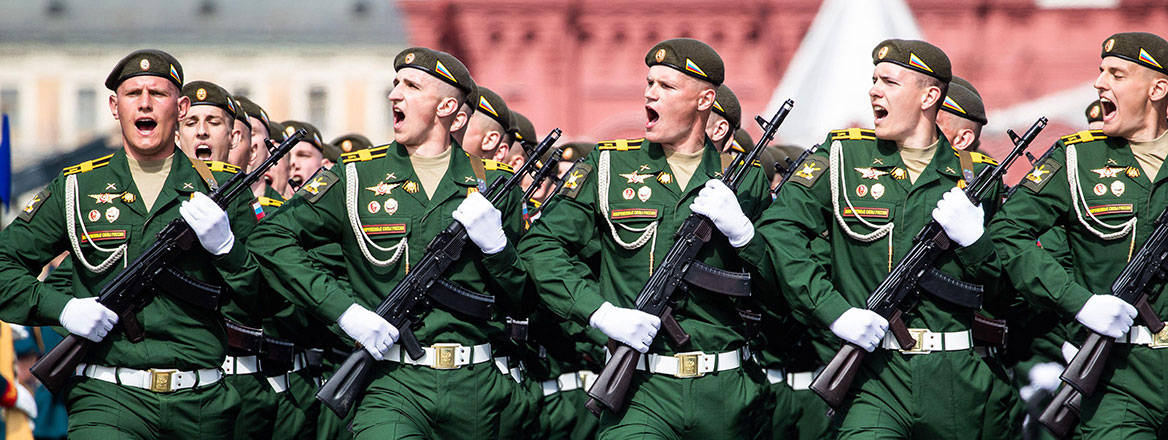
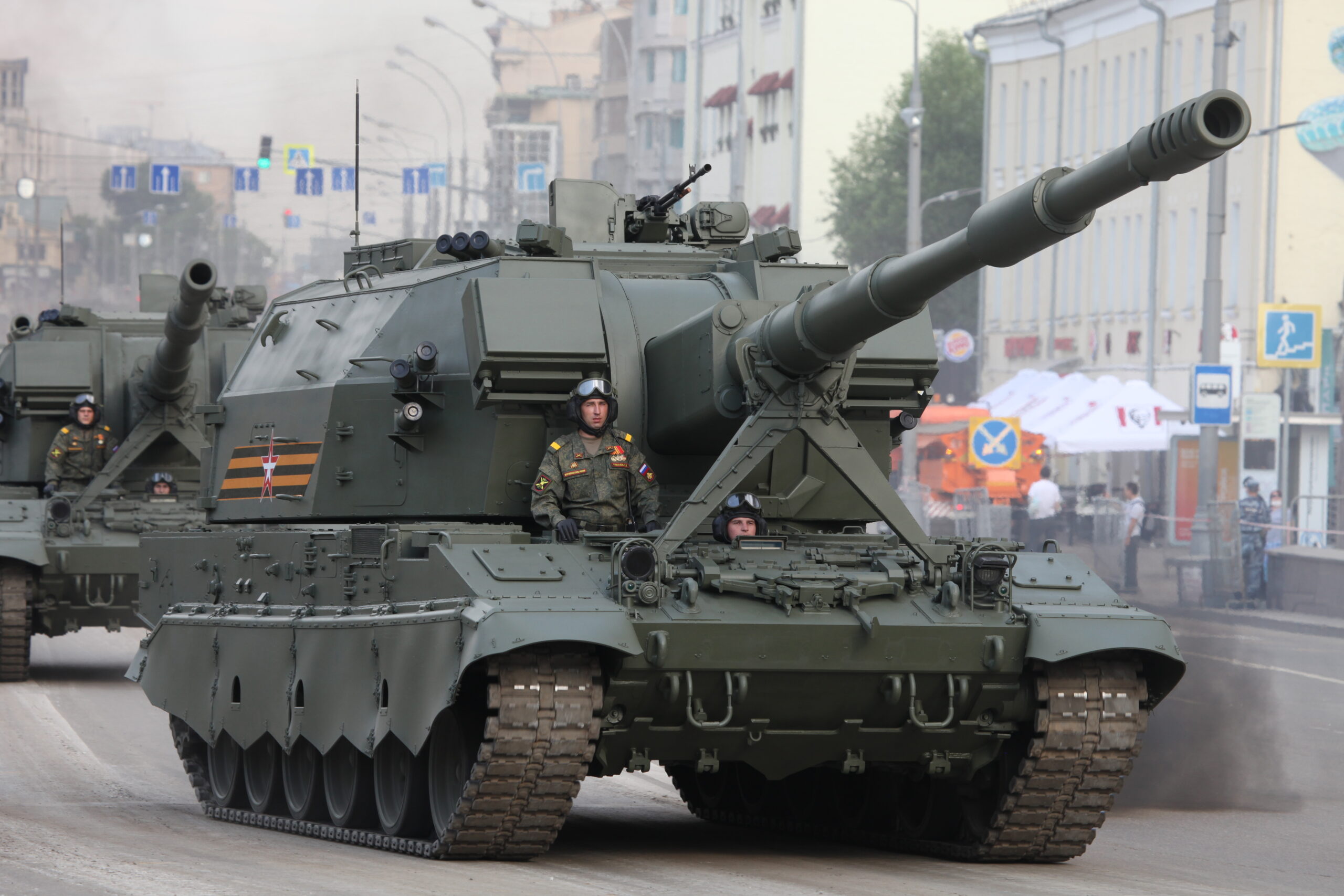
The same was said during WW1 in 1917 to early 1918. We need to understand that this is NOT a war of maneuver that the Western world has become accustomed to since WW2, this is a war of attrition where taking land is secondary to destroying the enemy's forces. Wars of attrition play out differently than we're used to, they generally become stagnant for long periods of time and look like stalemates, but once one side is critically weakened the collapse happens relatively quickly. Once again, see WW1.
The following article from the UK's Royal United Services Institute explains the above in more detail.
If the West is serious about the possibility of a great power conflict, it needs to take a hard look at its capacity to wage a protracted war and to pursue a strategy focused on attrition rather than manoeuvre.

rusi.org