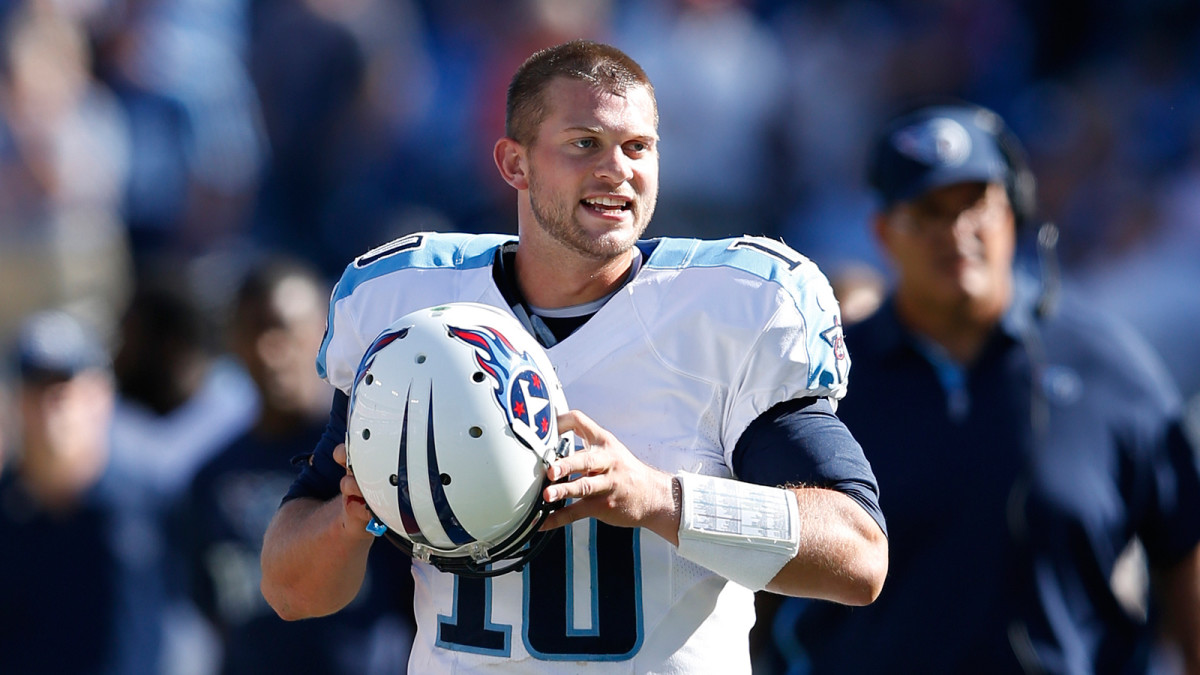
SANTA CLARA — There are times when Colin Kaepernick looks like he should be carrying a baton, not a football, with his progress measured in meters, not yards.
He looks like a track star — even to actual track stars.
“He’s a freak in the same way that Usain Bolt is a freak,” former Olympic sprinter Ato Boldon said.
Boldon, legendary Olympic hurdler Edwin Moses and noted track coach Fred Harvey were among those watching the 49ers’ playoff game last weekend when Kaepernick blazed for 181 rushing yards, a single-game NFL record for a quarterback.
So they were eager to play along this week when asked to analyze Kaepernick’s long-legged stride. Moses, a two-time Olympic gold medalist, even requested additional Kaepernick highlights so he could take a closer look.
Geographically, our track panel has this Sunday’s game between the 49ers and Falcons well represented: Boldon and Harvey have ties to the Bay Area, while Moses lives in Atlanta, the site of the NFC Championship Game.
The basic question for our running commentators: How can someone 6 feet 4 and 230 pounds be so dang fast?
“It tells me his biomechanics are really good,” said Moses, who won 400-meter gold medals at the 1976 and ’84 Olympics and who once won 122 consecutive races.
“And I’d bet a million dollars he’s done a lot of plyometrics in his life.”
Bingo! When Moses’ theory was relayed to Kaepernick, the quarterback confirmed that his training regimen includes plenty of plyometrics — exercises that demand fast, explosive movements. The quarterback does not, however, have any track experience. His running style is natural.
In the biggest play Jan. 12 at Candlestick Park, Kaepernick rolled around the right side of his offensive line and zoomed untouched for a 56-yard touchdown. It was the longest run by a quarterback in franchise history — the third time this season that Kaepernick has surpassed the old mark of 49 yards set by Steve Young.
According to a film review of the play by sports columnist Monte Poole of the Bay Area News Group, Kaepernick needed only 15 steps to cover the last 40 yards. In contrast, defensive back Charles Woodson of the Packers needed 20 steps over that same distance — and never came close to making the tackle.