Books you're reading now

The first book is a little bit of a slog until you get to about 70 percent in and then it get its excitment and tension rachets up exponentially.The author purposely drops you off into the world in the middle of the story without any exposition so dont worry if you feel lost when reading the begining of the first book.

Malazan is a dense series but well worth. I've a decent amount of fantasy series and its by far my favorite.

Just finished Gardens of the Moon and really struggled to stay focused for the first half of the book. There were so many different factions and tons of characters, it was hard to remember who was aligned with who. I found my attention drifting frequently and wouldn't remember what I just read and have to re-read a page.

That said, the back half was a lot more cohesive once they started pulling all the pieces together and I cruised through it. All in all, I really enjoyed the book.

Was surprised they killed the Adjunct. Lorn was a really good character and it seemed she had a lot more story to tell.

Looking forward to getting into Deadhouse Gates. I read that they narrow the character focus down and center in on a smaller cast. There are so many books and they're so long, I don't even want to try and guess where the series goes. Kind of want to jump right in, but the Leviathan Falls, the last book in The Expanse series comes out in a month. With how long the Malazan books are, I don't want to be in the middle of a book when it comes out. The Expanse has been my favorite sci-fi series so I need to know how it ends right meow.
 
Reading Charlotte's Web to my kids. Well mainly my 6 year old since my 3 year old doesn't pay much attention. We just read about 2 chapters a night. May consider Harry Potter next, but might wait to the young one gets a little older...
 
Rereading the Red Rising trilogy, I've been meaning to read the fourth book for years.
 
Just finished Gardens of the Moon and really struggled to stay focused for the first half of the book. There were so many different factions and tons of characters, it was hard to remember who was aligned with who. I found my attention drifting frequently and wouldn't remember what I just read and have to re-read a page.

That said, the back half was a lot more cohesive once they started pulling all the pieces together and I cruised through it. All in all, I really enjoyed the book.

Was surprised they killed the Adjunct. Lorn was a really good character and it seemed she had a lot more story to tell.

Looking forward to getting into Deadhouse Gates. I read that they narrow the character focus down and center in on a smaller cast. There are so many books and they're so long, I don't even want to try and guess where the series goes. Kind of want to jump right in, but the Leviathan Falls, the last book in The Expanse series comes out in a month. With how long the Malazan books are, I don't want to be in the middle of a book when it comes out. The Expanse has been my favorite sci-fi series so I need to know how it ends right meow.
Deadhouse gates is a great book but yeah your right that the time needed to read for even one book is ridiculous. I would go ahead and finish the book series your already almost done with.

Its been a long time but from the first book Ganoes Paran was my favorite character but Quick Ben was the most interesting.
 
If you have a Kindle, Amazon is offering Larry Correia's Monster Hunter International (the first book in the excellent MHI series) for free. I own the series in paperback but I'm not passing up a freebie from on of my favorite authors all-time. If you like guns and supernatural action, you would do well to grab this offer.
 
I’ve read three of them. Best served cold, heroes and Red Country. Out of those three best served cold was by far my favourite.

I am hard-pressed to think of a better revenge story than BSC.

The Heroes battle scenes where cinematic AF

RC really captured the feel of a western in a fantasy setting.

There's a reason Abercrombie is in my top 3-4 authors all-time. He is a master of his craft.
 
A Brief History of Time - Stephen Hawking. I'm writing an essay on this book. It's a very fascinating book, but I don't have time to finish reading it and write an essay. So I'm thinking about just hiring https://essayshark.com/
 
Last edited:
Looking to find a list of the top 100 or must reads in the following categories. Anyone have any pre-made lists or links?

History
Philosophy
Literature
Politics
 
Looking to find a list of the top 100 or must reads in the following categories. Anyone have any pre-made lists or links?

History
Philosophy
Literature
Politics

- Philosophy: https://www.thereadinglists.com/most-important-philosophy-books/
- History, you have to specify which civilisation you are looking for. There is no such thing as "world history", except a very general description, though you could read "Sapiens" by Yuval Harari. For example, look at European history, Chinese history, etc. Look at specific civilisations.
- Political philosophy: https://philosophybreak.com/reading-lists/political-philosophy/ , Read "The Prince" by Machiavelli especially.
- Literature is also too broad a topic, if you're talking about English literature I guess it can be narrowed down.

If you're interested in a less well known author who is actually encompassing all these subjects (history, philosophy, politics, etc), I recommend Oswald Spengler.
Currently reading a couple of his books and they're pretty visionary & mind blowing.

One day i'll sit down and read this:
https://www.amazon.com/Decline-West...1?keywords=decline+west&qid=1637323432&sr=8-1
Very important and fascinating book.
 
Looking to find a list of the top 100 or must reads in the following categories. Anyone have any pre-made lists or links?

History
Philosophy
Literature
Politics

Most of those lists are shit. I like Vladimir Nabokov's opinions on great writers. His casual dismissal of some of the greats is pretty funny:

  • Auden, W. H. Not familiar with his poetry, but his translations contain deplorable blunders.
  • Austen, Jane. Great.
  • Balzac, Honoré de. Mediocre. Fakes realism with easy platitudes.
  • Barbusse, Henri. Second-rate. A tense-looking but really very loose type of writing.
  • Barth, John.
    • "Lost in the Funhouse." A particular favorite. Lovely swift speckled imagery.
  • Beckett, Samuel. Author of lovely novellas and wretched plays.
    • Molloy. Favorite work by Beckett.
    • Malone Dies. A favorite work by Beckett.
    • The Unnamable. A favorite work by Beckett.
  • Bely, Andrei.
    • Petersburg. Third-greatest masterpiece of 20th century prose. A splendid fantasy.
  • Bergson, Henri. A favorite between the ages of 20 and 40, and thereafter.
  • Blok, Alexander. A favorite between the ages of 10 and 15, and thereafter. Passionately fond of his lyrics, but his long pieces are weak.
    • The Twelve. Dreadful. Self-consciously couched in a phony "primitive" tone, with a pink cardboard Jesus Christ glued on at the end.
  • Borges, Jorge Luis. A favorite. How freely one breathes in his marvelous labyrinths! Lucidity of thought, purity of poetry. A man of infinite talent.
  • Brecht, Bertolt. A nonentity, means absolutely nothing to me.
  • Brooke, Rupert. A favorite between the ages of 20 and 40, but no longer.
  • Browning, Robert. A favorite between the ages of 10 and 15, and thereafter.
  • Bryusov, Valery. Indifferent to his works.
  • Camus, Albert. Dislike him. Second-rate, ephemeral, puffed-up. A nonentity, means absolutely nothing to me. Awful.
  • Carroll, Lewis. Have always been fond of him. One would like to have filmed his picnics. The greatest children's story writer of all time.
  • Céline, Louis-Ferdinand. Second-rate. A tense-looking but really very loose type of writing.
  • Cervantes, Miguel de.
    • Don Quixote. A cruel and crude old book.
  • Cheever, John.
    • "The Country Husband." A particular favorite. Satisfying coherence.
  • Chekhov, Anton. A favorite between the ages of 10 and 15, and thereafter. Talent, but not genius. Love him dearly, but cannot rationalize that feeling.
  • Chernyshevsky, Nikolai. His fate is moving, but his works are risible.
  • Chesterton, G. K. A favorite between the ages of 8 and 14. Essentially a writer for very young people. Romantic in the large sense.
  • Conan Doyle, Arthur. A favorite between the ages of 8 and 14, but no longer. Essentially a writer for very young people. Romantic in the large sense.
  • Conrad, Joseph. A favorite between the ages of 8 and 14. Essentially a writer for very young people. Certainly inferior to Hemingway and Wells. Intolerable souvenir-shop style, romanticist clichés. Nothing I would care to have written myself. In mentality and emotion, hopelessly juvenile. Romantic in the large sense. Slightly bogus.
  • Dostoevsky, Fyodor. Dislike him. A cheap sensationalist, clumsy and vulgar. A prophet, a claptrap journalist and a slapdash comedian. Some of his scenes are extraordinarily amusing. Nobody takes his reactionary journalism seriously.
    • The Double. His best work, though an obvious and shameless imitation of Gogol's "Nose."
    • The Brothers Karamazov. Dislike it intensely.
    • Crime and Punishment. Dislike it intensely. Ghastly rigmarole.
  • Douglas, Norman. A favorite between the ages of 20 and 40, and thereafter.
  • Dreiser, Theodore. Dislike him. A formidable mediocrity.
  • Eliot, T. S. Not quite first-rate.
  • Emerson, Ralph Waldo. His poetry is delightful.
  • Faulkner, William. Dislike him. Writer of corncobby chronicles. To consider them masterpieces is an absurd delusion. A nonentity, means absolutely nothing to me.
  • Flaubert, Gustave. A favorite between the ages of 10 and 15, and thereafter. Read complete works between 14 and 15.
  • Forster, E. M. Only read one of his novels (possibly A Passage to India?) and disliked it.
  • Freud, Sigmund. A figure of fun. Loathe him. Vile deceit. Freudian interpretation of dreams is charlatanic, and satanic, nonsense.
  • Galsworthy, John. A formidable mediocrity.
  • García Lorca, Federico. Second-rate, ephemeral, puffed-up.
  • Gogol, Nikolai. Nobody takes his mystical didacticism seriously. At his worst, as in his Ukrainian stuff, he is a worthless writer; at his best, he is incomparable and inimitable. Loathe his moralistic slant, am depressed and puzzled by his inability to describe young women, deplore his obsession with religion.
  • Gold, Herbert.
    • "Death in Miami Beach." A particular favorite.
  • Gorky, Maxim. A formidable mediocrity.
  • Hawthorne, Nathaniel. A splendid writer.
  • Hellens, Franz. Very important.
    • La femme partagee. Like it particularly.
  • Hemingway, Ernest. A writer of books for boys. Certainly better than Conrad. Has at least a voice of his own. Nothing I would care to have written myself. In mentality and emotion, hopelessly juvenile. Loathe his works about bells, balls, and bulls.
    • The Killers. Delightful, highly artistic. Admirable.
    • The Old Man and the Sea. Wonderful. The description of the iridescent fish and rhythmic urination is superb.
  • Housman, A. E. A favorite between the ages of 20 and 40, and thereafter.
  • Ilf and Petrov. Two wonderfully gifted writers. Absolutely first-rate fiction.
  • Ivanov, Georgy. A good poet but a scurrilous critic.
  • James, Henry. Dislike him rather intensely, but now and then his wording causes a kind of electric tingle. Certainly not a genius.
  • Joyce, James. Great. A favorite between the ages of 20 and 40, and thereafter. Let people compare me to Joyce by all means, but my English is patball to Joyce's champion game. A genius.
    • Ulysses. A divine work of art. Greatest masterpiece of 20th century prose. Towers above the rest of Joyce's writing. Noble originality, unique lucidity of thought and style. Molly's monologue is the weakest chapter in the book. Love it for its lucidity and precision.
    • A Portrait of the Artist as a Young Man. Never liked it. A feeble and garrulous book.
    • Finnegans Wake. A formless and dull mass of phony folklore, a cold pudding of a book. Conventional and drab, redeemed from utter insipidity only by infrequent snatches of heavenly intonations. Detest it. A cancerous growth of fancy word-tissue hardly redeems the dreadful joviality of the folklore and the easy, too easy, allegory. Indifferent to it, as to all regional literature written in dialect. A tragic failure and a frightful bore.
  • Kafka, Franz.
    • The Metamorphosis. Second-greatest masterpiece of 20th century prose.
  • Kazantzakis, Nikos. Second-rate, ephemeral, puffed-up.
  • Keats, John. A favorite between the ages of 10 and 15, and thereafter.
  • Khodasevich, Vladislav. The greatest Russian poet of his time.
  • Kipling, Rudyard. A favorite between the ages of 8 and 14. Essentially a writer for very young people. Romantic in the large sense.
  • Lawrence, D. H. Second-rate, ephemeral, puffed-up. Mediocre. Fakes realism with easy platitudes. Execrable.
  • Lowell, Robert. Not a good translator. A greater offender than Auden.
  • Mandelshtam, Osip. A wonderful poet, the greatest in Soviet Russia. His poems are admirable specimens of the human mind at its deepest and highest. Not as good as Blok. His tragic fate makes his poetry seem greater than it actually is.
  • Mann, Thomas. Dislike him. Second-rate, ephemeral, puffed-up.
    • Death in Venice. Asinine. To consider it a masterpiece is an absurd delusion. Poshlost. Mediocre, but anyway plausible.
  • Maupassant, Guy de. Certainly not a genius.
  • Maugham, W. Somerset. Mediocre. Fakes realism with easy platitudes. Certainly not a genius.
  • Melville, Herman. Love him. One would like to have filmed him at breakfast, feeding a sardine to his cat.
  • Marx, Karl. Loathe him.
  • Milton, John. A genius.
  • Odoevsky, Vladimir. Indifferent to his works.
  • Yury Olesha. Some absolutely first-rate fiction.
  • Orczy, Baroness Emmuska.
    • The Scarlet Pimpernel. A favorite between the ages of 10 and 15, but no longer.
  • Pasternak, Boris. An excellent poet, but a poor novelist.
    • Doctor Zhivago. Detest it. Melodramatic and vilely written. To consider it a masterpiece is an absurd delusion. Pro-Bolshevist, historically false. A sorry thing, clumsy, trivial, melodramatic, with stock situations and trite coincidences.
  • Pirandello, Luigi. Never cared for him.
  • Plato. Not particularly fond of him.
  • Poe, Edgar Allan. A favorite between the ages of 10 and 15, but no longer. One would like to have filmed his wedding.
  • Pound, Ezra. Definitely second-rate. A total fake. A venerable fraud.
  • Proust, Marcel. A favorite between the ages of 20 and 40, and thereafter.
    • In Search of Lost Time. The first half is the fourth-greatest masterpiece of 20th-century prose.
  • Pushkin, Alexander. A favorite between the ages of 20 and 40, and thereafter. A genius.
    • Eugene Onegin. A great poem. Walter Arndt's translation is abominable.
  • Queneau, Raymond.
    • Exercises de style. A thrilling masterpiece, one of the greatest stories in French literature.
    • Zazie. Very fond of it.
  • Ransom, John Crowe.
    • Captain Carpenter. Admire this poem.
  • Rimbaud, Arthur. A favorite between the ages of 10 and 15, and thereafter.
  • Robbe-Grillet, Alain. Great. A favorite. How freely one breathes in his marvelous labyrinths! Lucidity of thought, purity of poetry. Magnificently poetical and original.
  • Rolland, Romain. A formidable mediocrity.
  • Salinger, J. D. By far one of the finest artists in recent years.
    • "A Perfect Day for Bananafish." A great story. A particular favorite.
  • Sartre, Jean-Paul. Even more awful than Camus.
    • Nausea. Second-rate. A tense-looking but really very loose type of writing.
  • Schwartz, Delmore.
    • "In Dreams Begin Responsibilities." A particular favorite.
  • Schweitzer, Albert. Detest him.
  • Shakespeare, William. Read complete works between 14 and 15. One would like to have filmed him in the role of the King's Ghost. His verbal poetic texture is the greatest the world has ever known, and immensely superior to the structure of his plays as plays. It is the metaphor that is the thing, not the play. A genius.
  • Sterne, Laurence. Love him.
  • Sue, Eugène. Melodramatic, second-rate.
  • Tagore, Rabindranath. A formidable mediocrity.
  • Tolstoy, Aleksey. A writer of some talent with two or three science fiction stories or novels which are memorable.
  • Tolstoy, Leo. A favorite between the ages of 10 and 15, and thereafter. Read complete works between 14 and 15. Nobody takes his utilitarian moralism seriously. A genius.
    • Anna Karenina. Incomparable prose artistry. The supreme masterpiece of 19th-century literature.
    • The Death of Ivan Ilyich. A close second to Anna Karenina.
    • Resurrection. Detest it.
    • The Kreutzer Sonata. Detest it.
    • War and Peace. A little too long. A rollicking historical novel written for the general reader, specifically for the young. Artistically unsatisfying. Cumbersome messages, didactic interludes, artificial coincidences. Uncritical of its historical sources.
  • Turgenev, Ivan. Talent, but not genius.
  • Tyutchev, Fyodor. A great lyrical poet.
  • Updike, John. By far one of the finest artists in recent years. Like so many of his stories that it is difficult to choose one.
    • "The Happiest I've Been." A particular favorite.
  • Verlaine, Paul. A favorite between the ages of 10 and 15, and thereafter.
  • Verne, Jules.
    • Around the World in Eighty Days. A favorite between the ages of 10 and 15, but no longer.
  • Wells, H. G. A favorite between the ages of 10 and 15, and thereafter. A great artist, my favorite writer when I was a boy. His sociological cogitations can be safely ignored, but his romances and fantasies are superb. A far greater artist than Conrad. A writer for whom I have the deepest admiration.
    • The Passionate Friends. Better than anything any of Wells' contemporaries would produce.
    • Ann Veronica. Better than anything any of Wells' contemporaries would produce.
    • The Time Machine. Better than anything any of Wells' contemporaries would produce. Especially good.
    • The Country of the Blind. Better than anything any of Wells' contemporaries would produce. Especially good.
    • The Invisible Man. Especially good.
    • The War of the Worlds. Especially good.
    • The First Men on the Moon. Especially good.
  • Wilbur, Richard.
    • "Complaint." A piece of great poetry.
  • Wilde, Oscar. Rank moralist and didacticist. A favorite between the ages of 8 and 14. Essentially a writer for very young people. Romantic in the large sense.
  • Wolfe, Thomas. Second-rate, ephemeral, puffed-up.
  • Zabolotsky, Nikolai. Enormously gifted.
  • Zamyatin, Yevgeny. Indifferent to his works.
  • Zoshchenko, Mikhail. Some absolutely first-rate fiction.
 
- Philosophy: https://www.thereadinglists.com/most-important-philosophy-books/
- History, you have to specify which civilisation you are looking for. There is no such thing as "world history", except a very general description, though you could read "Sapiens" by Yuval Harari. For example, look at European history, Chinese history, etc. Look at specific civilisations.
- Political philosophy: https://philosophybreak.com/reading-lists/political-philosophy/ , Read "The Prince" by Machiavelli especially.
- Literature is also too broad a topic, if you're talking about English literature I guess it can be narrowed down.

If you're interested in a less well known author who is actually encompassing all these subjects (history, philosophy, politics, etc), I recommend Oswald Spengler.
Currently reading a couple of his books and they're pretty visionary & mind blowing.

One day i'll sit down and read this:
https://www.amazon.com/Decline-West...1?keywords=decline+west&qid=1637323432&sr=8-1
Very important and fascinating book.

This is a great start. Thank you.

For history, I'm looking for U.S. History.

Literature would be English literature.

Have any lists for those?
 
Just finished Anthony Bourdain's Kitchen Confidential. It was a little disappointing. I think it would've worked better as long magazine article.
 
This is a great start. Thank you.
For history, I'm looking for U.S. History.
Literature would be English literature.
Have any lists for those?

US history is rather short (200 years) unless you also want to encompass the European colonisation period (which is fascinating in itself) aka the history of the American continent long before the founding of the US.

This looks like a relatively solid book, though I have not read it: https://www.amazon.com/American-His...tory+of+america&qid=1638018315&s=books&sr=1-5

English literature, this is a pretty good list: https://oxfordsummercourses.com/articles/books-for-english-literature-students-to-read/
 
Just finished Leviathan Falls, the final book in The Expanse series. Sad it's just about over (final novella in March), but really enjoyed the ending. I had an idea of how I thought they would wrap things up, which was the only way I could see out, and I was right about the final outcome. The road to get there though was a great ride, and bringing back a character I didn't see coming that gave me a lump in my throat.

My only complaint was how fast the characters final send off was. It didn't feel rushed, but events in the book made it go by fast and I was hoping for a little bit more closure with the main characters. Hoping the last novella "The Sins if the Father" sheds a little light on cast and gives a little more closure.

All in all I thought it wrapped up the series nicely and the epilogue had a crazy revelation that I didn't see coming that kind of puts a bow on things. It could be used to start a spin off series, but hoping it's used as the final send off.
 
None, but need to read a few stuff i got next month i'd say.
 
16301709._UY630_SR1200,630_.jpg


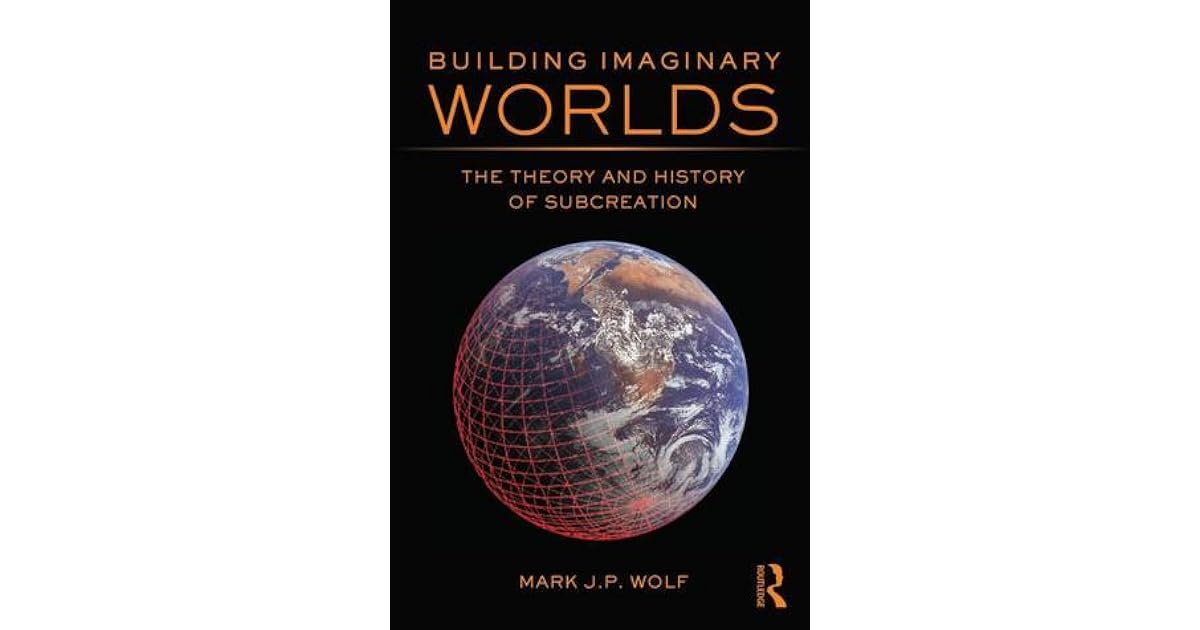
It's basically laying out the history and importance of subcreation in fictional worlds, that being the idea that in many fictional properties the setting/shared world is more important than the central story. Think of something like Star Wars - the central story was the brainchild of George Lucas, one man at the helm giving us the finished package... Then after decades of novels, spinoffs, and George losing control of it, the universe itself is a bigger deal than the original story. Huge portions of modern entertainment are made as sort of sandboxes which people want to play around in rather than just delivery mechanisms for a story. Really quite a fascinating read.
 
Most of those lists are shit. I like Vladimir Nabokov's opinions on great writers. His casual dismissal of some of the greats is pretty funny:

  • Auden, W. H. Not familiar with his poetry, but his translations contain deplorable blunders.
  • Austen, Jane. Great.
  • Balzac, Honoré de. Mediocre. Fakes realism with easy platitudes.
  • Barbusse, Henri. Second-rate. A tense-looking but really very loose type of writing.
  • Barth, John.
    • "Lost in the Funhouse." A particular favorite. Lovely swift speckled imagery.
  • Beckett, Samuel. Author of lovely novellas and wretched plays.
    • Molloy. Favorite work by Beckett.
    • Malone Dies. A favorite work by Beckett.
    • The Unnamable. A favorite work by Beckett.
  • Bely, Andrei.
    • Petersburg. Third-greatest masterpiece of 20th century prose. A splendid fantasy.
  • Bergson, Henri. A favorite between the ages of 20 and 40, and thereafter.
  • Blok, Alexander. A favorite between the ages of 10 and 15, and thereafter. Passionately fond of his lyrics, but his long pieces are weak.
    • The Twelve. Dreadful. Self-consciously couched in a phony "primitive" tone, with a pink cardboard Jesus Christ glued on at the end.
  • Borges, Jorge Luis. A favorite. How freely one breathes in his marvelous labyrinths! Lucidity of thought, purity of poetry. A man of infinite talent.
  • Brecht, Bertolt. A nonentity, means absolutely nothing to me.
  • Brooke, Rupert. A favorite between the ages of 20 and 40, but no longer.
  • Browning, Robert. A favorite between the ages of 10 and 15, and thereafter.
  • Bryusov, Valery. Indifferent to his works.
  • Camus, Albert. Dislike him. Second-rate, ephemeral, puffed-up. A nonentity, means absolutely nothing to me. Awful.
  • Carroll, Lewis. Have always been fond of him. One would like to have filmed his picnics. The greatest children's story writer of all time.
  • Céline, Louis-Ferdinand. Second-rate. A tense-looking but really very loose type of writing.
  • Cervantes, Miguel de.
    • Don Quixote. A cruel and crude old book.
  • Cheever, John.
    • "The Country Husband." A particular favorite. Satisfying coherence.
  • Chekhov, Anton. A favorite between the ages of 10 and 15, and thereafter. Talent, but not genius. Love him dearly, but cannot rationalize that feeling.
  • Chernyshevsky, Nikolai. His fate is moving, but his works are risible.
  • Chesterton, G. K. A favorite between the ages of 8 and 14. Essentially a writer for very young people. Romantic in the large sense.
  • Conan Doyle, Arthur. A favorite between the ages of 8 and 14, but no longer. Essentially a writer for very young people. Romantic in the large sense.
  • Conrad, Joseph. A favorite between the ages of 8 and 14. Essentially a writer for very young people. Certainly inferior to Hemingway and Wells. Intolerable souvenir-shop style, romanticist clichés. Nothing I would care to have written myself. In mentality and emotion, hopelessly juvenile. Romantic in the large sense. Slightly bogus.
  • Dostoevsky, Fyodor. Dislike him. A cheap sensationalist, clumsy and vulgar. A prophet, a claptrap journalist and a slapdash comedian. Some of his scenes are extraordinarily amusing. Nobody takes his reactionary journalism seriously.
    • The Double. His best work, though an obvious and shameless imitation of Gogol's "Nose."
    • The Brothers Karamazov. Dislike it intensely.
    • Crime and Punishment. Dislike it intensely. Ghastly rigmarole.
  • Douglas, Norman. A favorite between the ages of 20 and 40, and thereafter.
  • Dreiser, Theodore. Dislike him. A formidable mediocrity.
  • Eliot, T. S. Not quite first-rate.
  • Emerson, Ralph Waldo. His poetry is delightful.
  • Faulkner, William. Dislike him. Writer of corncobby chronicles. To consider them masterpieces is an absurd delusion. A nonentity, means absolutely nothing to me.
  • Flaubert, Gustave. A favorite between the ages of 10 and 15, and thereafter. Read complete works between 14 and 15.
  • Forster, E. M. Only read one of his novels (possibly A Passage to India?) and disliked it.
  • Freud, Sigmund. A figure of fun. Loathe him. Vile deceit. Freudian interpretation of dreams is charlatanic, and satanic, nonsense.
  • Galsworthy, John. A formidable mediocrity.
  • García Lorca, Federico. Second-rate, ephemeral, puffed-up.
  • Gogol, Nikolai. Nobody takes his mystical didacticism seriously. At his worst, as in his Ukrainian stuff, he is a worthless writer; at his best, he is incomparable and inimitable. Loathe his moralistic slant, am depressed and puzzled by his inability to describe young women, deplore his obsession with religion.
  • Gold, Herbert.
    • "Death in Miami Beach." A particular favorite.
  • Gorky, Maxim. A formidable mediocrity.
  • Hawthorne, Nathaniel. A splendid writer.
  • Hellens, Franz. Very important.
    • La femme partagee. Like it particularly.
  • Hemingway, Ernest. A writer of books for boys. Certainly better than Conrad. Has at least a voice of his own. Nothing I would care to have written myself. In mentality and emotion, hopelessly juvenile. Loathe his works about bells, balls, and bulls.
    • The Killers. Delightful, highly artistic. Admirable.
    • The Old Man and the Sea. Wonderful. The description of the iridescent fish and rhythmic urination is superb.
  • Housman, A. E. A favorite between the ages of 20 and 40, and thereafter.
  • Ilf and Petrov. Two wonderfully gifted writers. Absolutely first-rate fiction.
  • Ivanov, Georgy. A good poet but a scurrilous critic.
  • James, Henry. Dislike him rather intensely, but now and then his wording causes a kind of electric tingle. Certainly not a genius.
  • Joyce, James. Great. A favorite between the ages of 20 and 40, and thereafter. Let people compare me to Joyce by all means, but my English is patball to Joyce's champion game. A genius.
    • Ulysses. A divine work of art. Greatest masterpiece of 20th century prose. Towers above the rest of Joyce's writing. Noble originality, unique lucidity of thought and style. Molly's monologue is the weakest chapter in the book. Love it for its lucidity and precision.
    • A Portrait of the Artist as a Young Man. Never liked it. A feeble and garrulous book.
    • Finnegans Wake. A formless and dull mass of phony folklore, a cold pudding of a book. Conventional and drab, redeemed from utter insipidity only by infrequent snatches of heavenly intonations. Detest it. A cancerous growth of fancy word-tissue hardly redeems the dreadful joviality of the folklore and the easy, too easy, allegory. Indifferent to it, as to all regional literature written in dialect. A tragic failure and a frightful bore.
  • Kafka, Franz.
    • The Metamorphosis. Second-greatest masterpiece of 20th century prose.
  • Kazantzakis, Nikos. Second-rate, ephemeral, puffed-up.
  • Keats, John. A favorite between the ages of 10 and 15, and thereafter.
  • Khodasevich, Vladislav. The greatest Russian poet of his time.
  • Kipling, Rudyard. A favorite between the ages of 8 and 14. Essentially a writer for very young people. Romantic in the large sense.
  • Lawrence, D. H. Second-rate, ephemeral, puffed-up. Mediocre. Fakes realism with easy platitudes. Execrable.
  • Lowell, Robert. Not a good translator. A greater offender than Auden.
  • Mandelshtam, Osip. A wonderful poet, the greatest in Soviet Russia. His poems are admirable specimens of the human mind at its deepest and highest. Not as good as Blok. His tragic fate makes his poetry seem greater than it actually is.
  • Mann, Thomas. Dislike him. Second-rate, ephemeral, puffed-up.
    • Death in Venice. Asinine. To consider it a masterpiece is an absurd delusion. Poshlost. Mediocre, but anyway plausible.
  • Maupassant, Guy de. Certainly not a genius.
  • Maugham, W. Somerset. Mediocre. Fakes realism with easy platitudes. Certainly not a genius.
  • Melville, Herman. Love him. One would like to have filmed him at breakfast, feeding a sardine to his cat.
  • Marx, Karl. Loathe him.
  • Milton, John. A genius.
  • Odoevsky, Vladimir. Indifferent to his works.
  • Yury Olesha. Some absolutely first-rate fiction.
  • Orczy, Baroness Emmuska.
    • The Scarlet Pimpernel. A favorite between the ages of 10 and 15, but no longer.
  • Pasternak, Boris. An excellent poet, but a poor novelist.
    • Doctor Zhivago. Detest it. Melodramatic and vilely written. To consider it a masterpiece is an absurd delusion. Pro-Bolshevist, historically false. A sorry thing, clumsy, trivial, melodramatic, with stock situations and trite coincidences.
  • Pirandello, Luigi. Never cared for him.
  • Plato. Not particularly fond of him.
  • Poe, Edgar Allan. A favorite between the ages of 10 and 15, but no longer. One would like to have filmed his wedding.
  • Pound, Ezra. Definitely second-rate. A total fake. A venerable fraud.
  • Proust, Marcel. A favorite between the ages of 20 and 40, and thereafter.
    • In Search of Lost Time. The first half is the fourth-greatest masterpiece of 20th-century prose.
  • Pushkin, Alexander. A favorite between the ages of 20 and 40, and thereafter. A genius.
    • Eugene Onegin. A great poem. Walter Arndt's translation is abominable.
  • Queneau, Raymond.
    • Exercises de style. A thrilling masterpiece, one of the greatest stories in French literature.
    • Zazie. Very fond of it.
  • Ransom, John Crowe.
    • Captain Carpenter. Admire this poem.
  • Rimbaud, Arthur. A favorite between the ages of 10 and 15, and thereafter.
  • Robbe-Grillet, Alain. Great. A favorite. How freely one breathes in his marvelous labyrinths! Lucidity of thought, purity of poetry. Magnificently poetical and original.
  • Rolland, Romain. A formidable mediocrity.
  • Salinger, J. D. By far one of the finest artists in recent years.
    • "A Perfect Day for Bananafish." A great story. A particular favorite.
  • Sartre, Jean-Paul. Even more awful than Camus.
    • Nausea. Second-rate. A tense-looking but really very loose type of writing.
  • Schwartz, Delmore.
    • "In Dreams Begin Responsibilities." A particular favorite.
  • Schweitzer, Albert. Detest him.
  • Shakespeare, William. Read complete works between 14 and 15. One would like to have filmed him in the role of the King's Ghost. His verbal poetic texture is the greatest the world has ever known, and immensely superior to the structure of his plays as plays. It is the metaphor that is the thing, not the play. A genius.
  • Sterne, Laurence. Love him.
  • Sue, Eugène. Melodramatic, second-rate.
  • Tagore, Rabindranath. A formidable mediocrity.
  • Tolstoy, Aleksey. A writer of some talent with two or three science fiction stories or novels which are memorable.
  • Tolstoy, Leo. A favorite between the ages of 10 and 15, and thereafter. Read complete works between 14 and 15. Nobody takes his utilitarian moralism seriously. A genius.
    • Anna Karenina. Incomparable prose artistry. The supreme masterpiece of 19th-century literature.
    • The Death of Ivan Ilyich. A close second to Anna Karenina.
    • Resurrection. Detest it.
    • The Kreutzer Sonata. Detest it.
    • War and Peace. A little too long. A rollicking historical novel written for the general reader, specifically for the young. Artistically unsatisfying. Cumbersome messages, didactic interludes, artificial coincidences. Uncritical of its historical sources.
  • Turgenev, Ivan. Talent, but not genius.
  • Tyutchev, Fyodor. A great lyrical poet.
  • Updike, John. By far one of the finest artists in recent years. Like so many of his stories that it is difficult to choose one.
    • "The Happiest I've Been." A particular favorite.
  • Verlaine, Paul. A favorite between the ages of 10 and 15, and thereafter.
  • Verne, Jules.
    • Around the World in Eighty Days. A favorite between the ages of 10 and 15, but no longer.
  • Wells, H. G. A favorite between the ages of 10 and 15, and thereafter. A great artist, my favorite writer when I was a boy. His sociological cogitations can be safely ignored, but his romances and fantasies are superb. A far greater artist than Conrad. A writer for whom I have the deepest admiration.
    • The Passionate Friends. Better than anything any of Wells' contemporaries would produce.
    • Ann Veronica. Better than anything any of Wells' contemporaries would produce.
    • The Time Machine. Better than anything any of Wells' contemporaries would produce. Especially good.
    • The Country of the Blind. Better than anything any of Wells' contemporaries would produce. Especially good.
    • The Invisible Man. Especially good.
    • The War of the Worlds. Especially good.
    • The First Men on the Moon. Especially good.
  • Wilbur, Richard.
    • "Complaint." A piece of great poetry.
  • Wilde, Oscar. Rank moralist and didacticist. A favorite between the ages of 8 and 14. Essentially a writer for very young people. Romantic in the large sense.
  • Wolfe, Thomas. Second-rate, ephemeral, puffed-up.
  • Zabolotsky, Nikolai. Enormously gifted.
  • Zamyatin, Yevgeny. Indifferent to his works.
  • Zoshchenko, Mikhail. Some absolutely first-rate fiction.
Some of the fucking funniest shit I’ve ever read, and I ain’t even cappin’
 
Just finished Leviathan Falls, the final book in The Expanse series. Sad it's just about over (final novella in March), but really enjoyed the ending. I had an idea of how I thought they would wrap things up, which was the only way I could see out, and I was right about the final outcome. The road to get there though was a great ride, and bringing back a character I didn't see coming that gave me a lump in my throat.

My only complaint was how fast the characters final send off was. It didn't feel rushed, but events in the book made it go by fast and I was hoping for a little bit more closure with the main characters. Hoping the last novella "The Sins if the Father" sheds a little light on cast and gives a little more closure.

All in all I thought it wrapped up the series nicely and the epilogue had a crazy revelation that I didn't see coming that kind of puts a bow on things. It could be used to start a spin off series, but hoping it's used as the final send off.
Have you watched the show? If so, what are your thoughts? I thought about reading that series.
 
Back
Top