It's not a silly question. I've actually thought about that myself, and it ultimately boils down to asserting full government resource control and the prevailing ideal at the time of uninhabited wilderness. You can't have that if people are permanently residing there.
TR was in favor of basic infrastructure and primitive campgrounds that would make the areas more accessible for all Americans to visit, but pretty sickened by thought of commercial development, i.e., all of the hotels, restaurants, and concessions operated inside park boundaries by private companies today. A lot of us detest it now, while also realizing that the scale of development relative to their size is pretty minimal on the whole and that the sustainable economic output they generate as massive boons to tourism and the outdoor recreation industry helps keep them off the radar from modern Republicans who would gladly sell the land off to billionaires and corporations without a second thought.
I like them quite a bit, but I'm probably biased because I've got a handful of awesome cousins who are half-Dakota natives (component of the Great Sioux Nation). Navajos are alright too, pretty frequent interaction there because you can't reach the remote North Rim of the Grand Canyon from here without going through their territory.
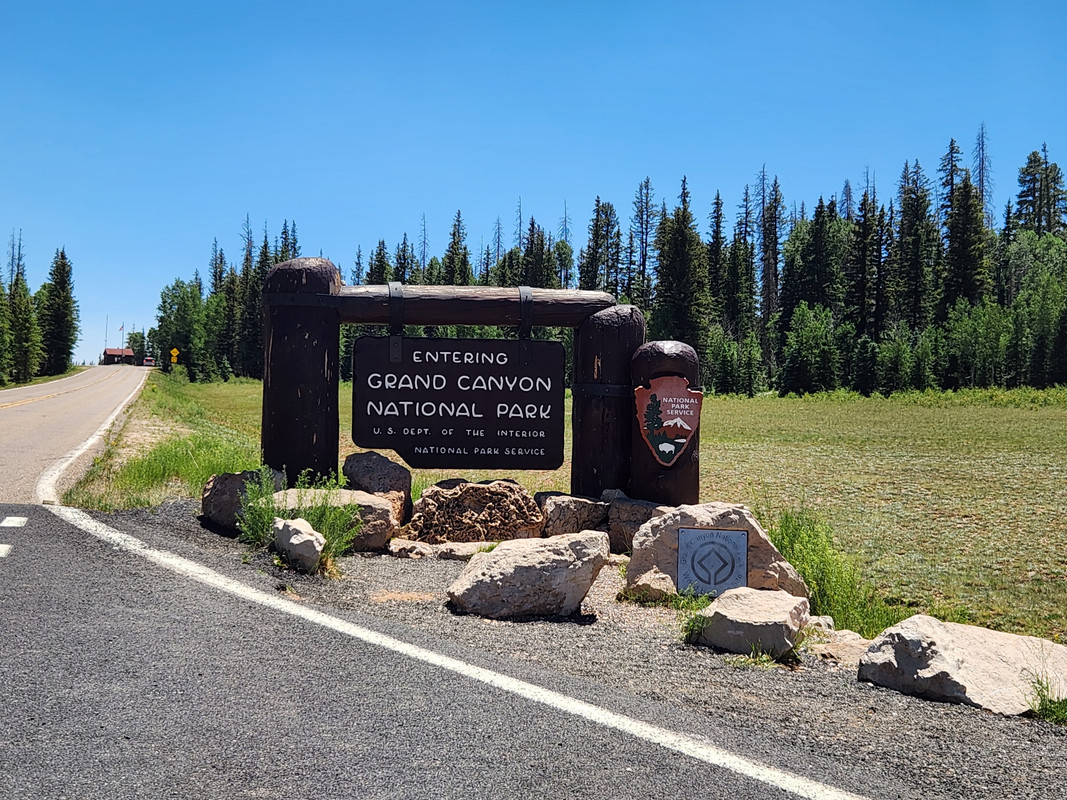
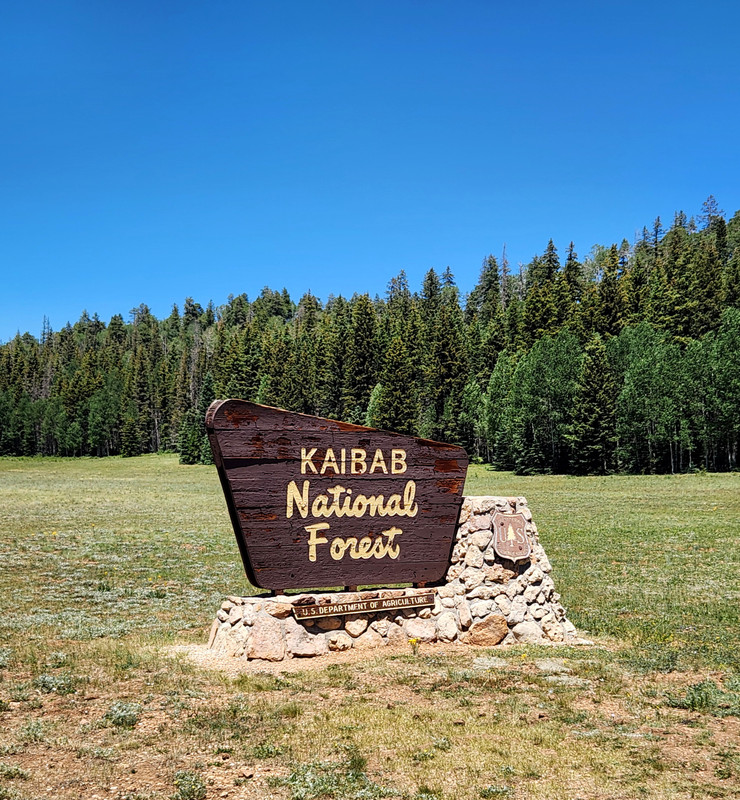
Immaculate.
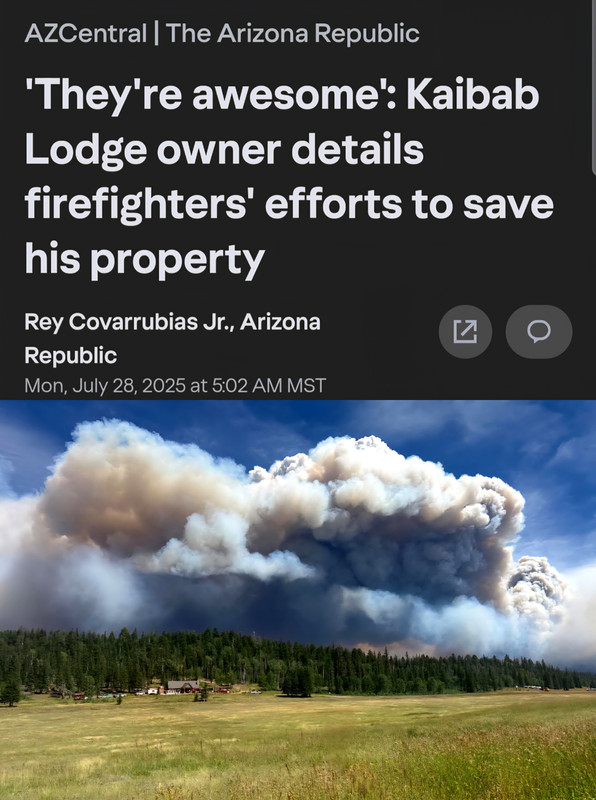
They were saving THEIR property.
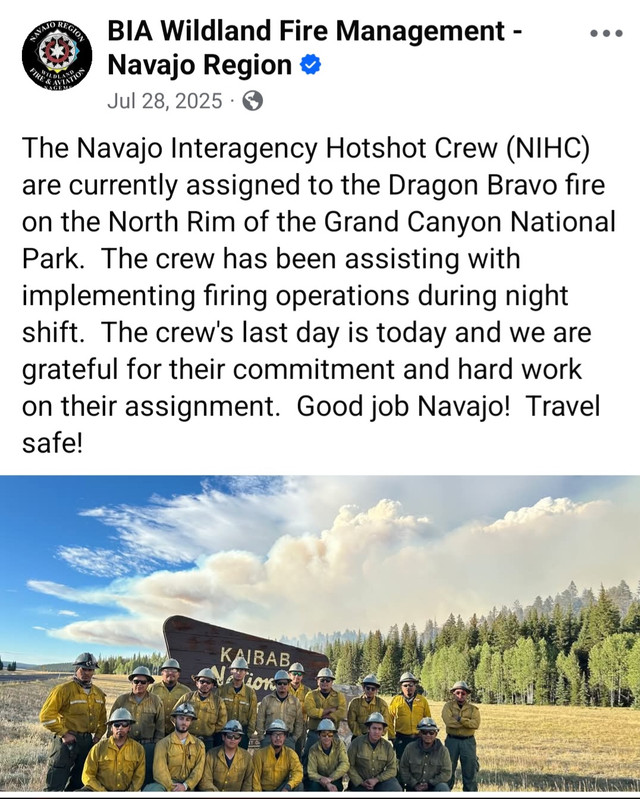
Navajo Nation also gets some decent coin selling food, arts, crafts to tourists, and they have control over two of the most desirable natural attractions in the state: Antelope Canyon and Monument Valley.






 My grammar is all over the shop in this thread and I'm getting wrecked by the auto-"correct" on my phone with no ability to edit posts. I'll usually notice and do that before it even notes they were edited (usually within five minutes, I think). Humiliating.


