The most severe impact was felt in Russian Kursk region, where
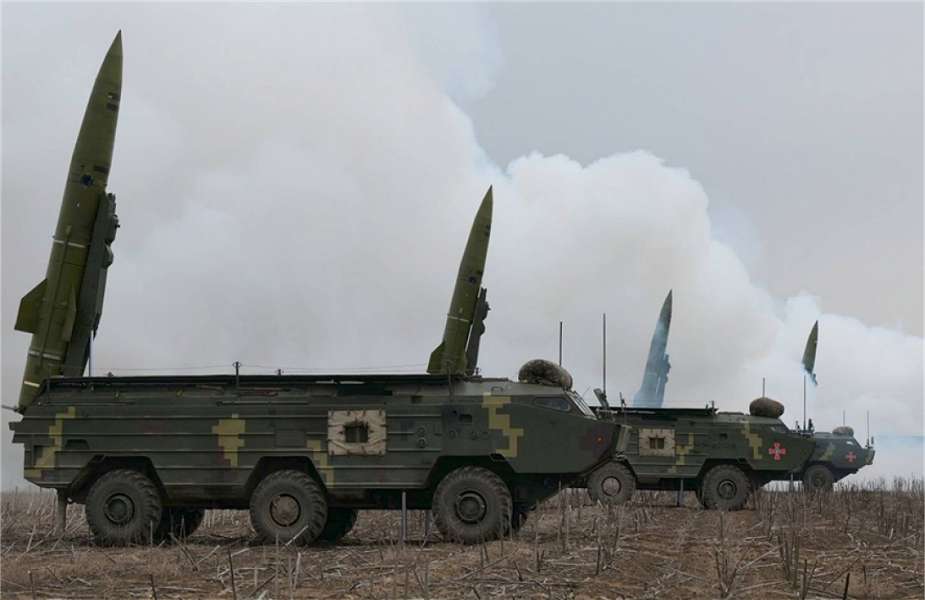
Tochka-U ballistic missiles were fired, including in the vicinity of the Kursk railway station. Russian air defense systems were activated across five regions, successfully intercepting four Tochka-U missiles. Despite the interceptions, debris from one of the missiles caused damage to a multi-story residential building, highlighting the high stakes of this latest phase of the conflict. In addition to the missiles, 14 aircraft-type drones were reportedly shot down over the Kursk region.
According to the military balance, before the war, the Ukrainian armed forces were equipped with 90 9K79 Tochka launchers, NATO code-named SS-21 Scarab. Ukraine inherited a significant number of Tochka-U missiles and launchers from the Soviet Union after its dissolution in 1991. it is estimated suggest that Ukraine possessed a substantial stockpile of missiles at the time of independence. Over the years, the number of operational systems and available missiles has likely decreased due to usage, wear and tear, and a lack of new production.
The use of Tochka-U tactical missiles represents a notable aspect of Ukraine’s military strategy in this cross-border incursion. The Tochka-U, also known as the SS-21 Scarab by NATO, is a Soviet-era short-range ballistic missile system. It is known for its mobility and precision, capable of delivering a variety of warheads, including high-explosive, submunitions, and even chemical warheads, though there is no indication of non-conventional payloads being used in this instance.
The
Tochka-U ballistic missile system is mounted on a mobile launcher vehicle, allowing for rapid deployment and repositioning. It has a range of up to 120 km and is designed to strike tactical targets such as command centers, airfields, and infrastructure, making it a potent tool in Ukraine's arsenal for disrupting Russian operations and logistics.