As hype over the game grows, so do concerns about the potential for brain injuries.

www.bbc.co.uk
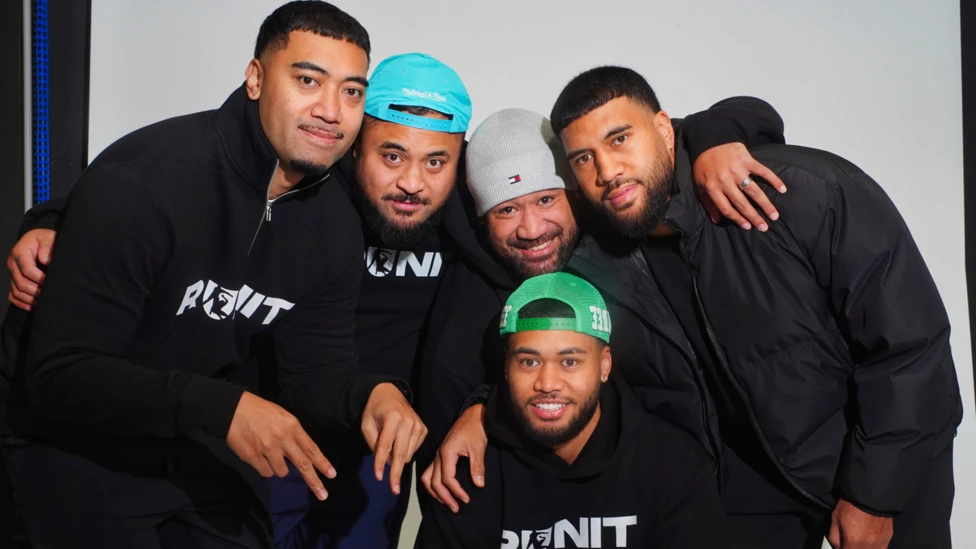
The Run It Straight founders played the game growing up in Melbourne
Videos of the game have recently gone viral, and the founders of the Run It league have capitalised on the surge of interest - they say they've gained millions of views online, won over thousands of fans, attracted big name sponsors, and even inspired rival competitions.
They've held jousts in Melbourne and Auckland, and on Saturday another will take place in a Dubai arena, the winner taking away prize money of A$200,000 (£98,000). Next on their agenda is an expansion to the UK and US.
But the groundswell of support for the league is increasingly being rivalled by critical voices. Medical experts and sporting figures are worried about the physical and mental health impacts of the game - which has also become a wider social media craze, that is already accused of claiming one life.
Two of the league's seven co-founders, Brandon Taua'a and Stephen Hancock, tell the BBC they have fond memories of playing the game as teenagers in Melbourne.
"I used to 'run it straight' at Brandon all the time," Hancock says, joking that the pair would usually try to avoid hitting each other straight on.
There'll be none of that this weekend, when the eight finalists compete for that giant cash prize in the United Arab Emirates.
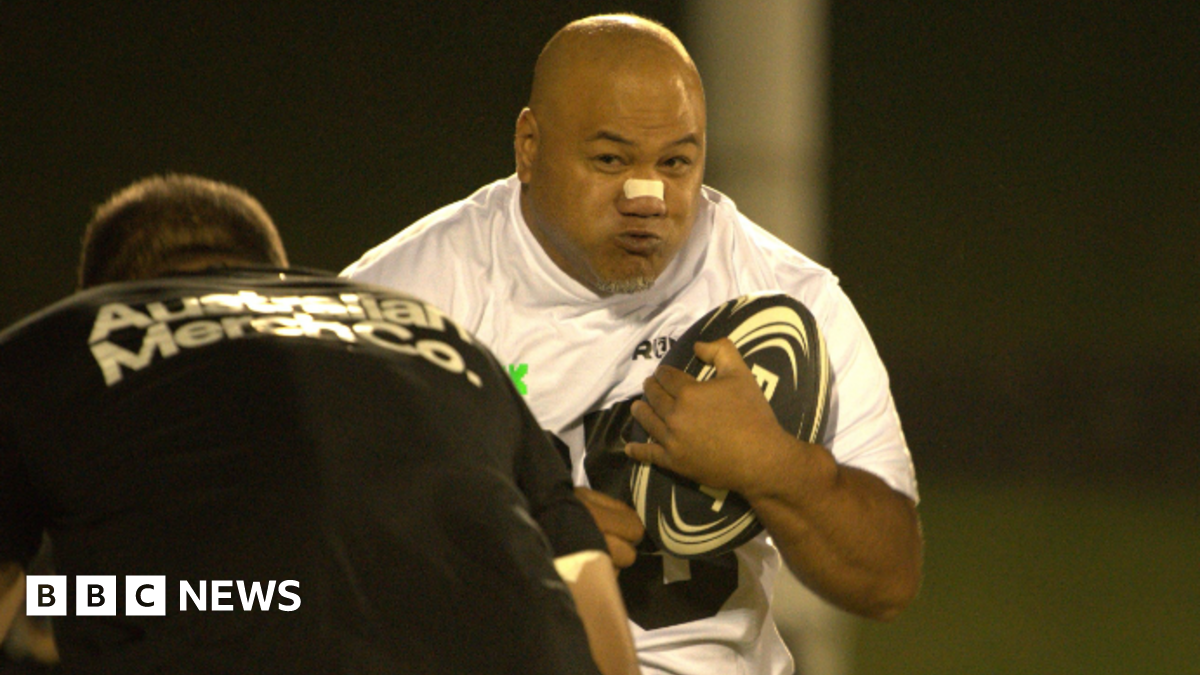
Hancock insists Run It is a 'game of skill' - "[It's] all about the footwork" - but there's no denying the violent nature of it.
A quick scroll of the league's social media accounts shows dozens of quick-burst videos, all honing in on the explosive action of two men colliding.
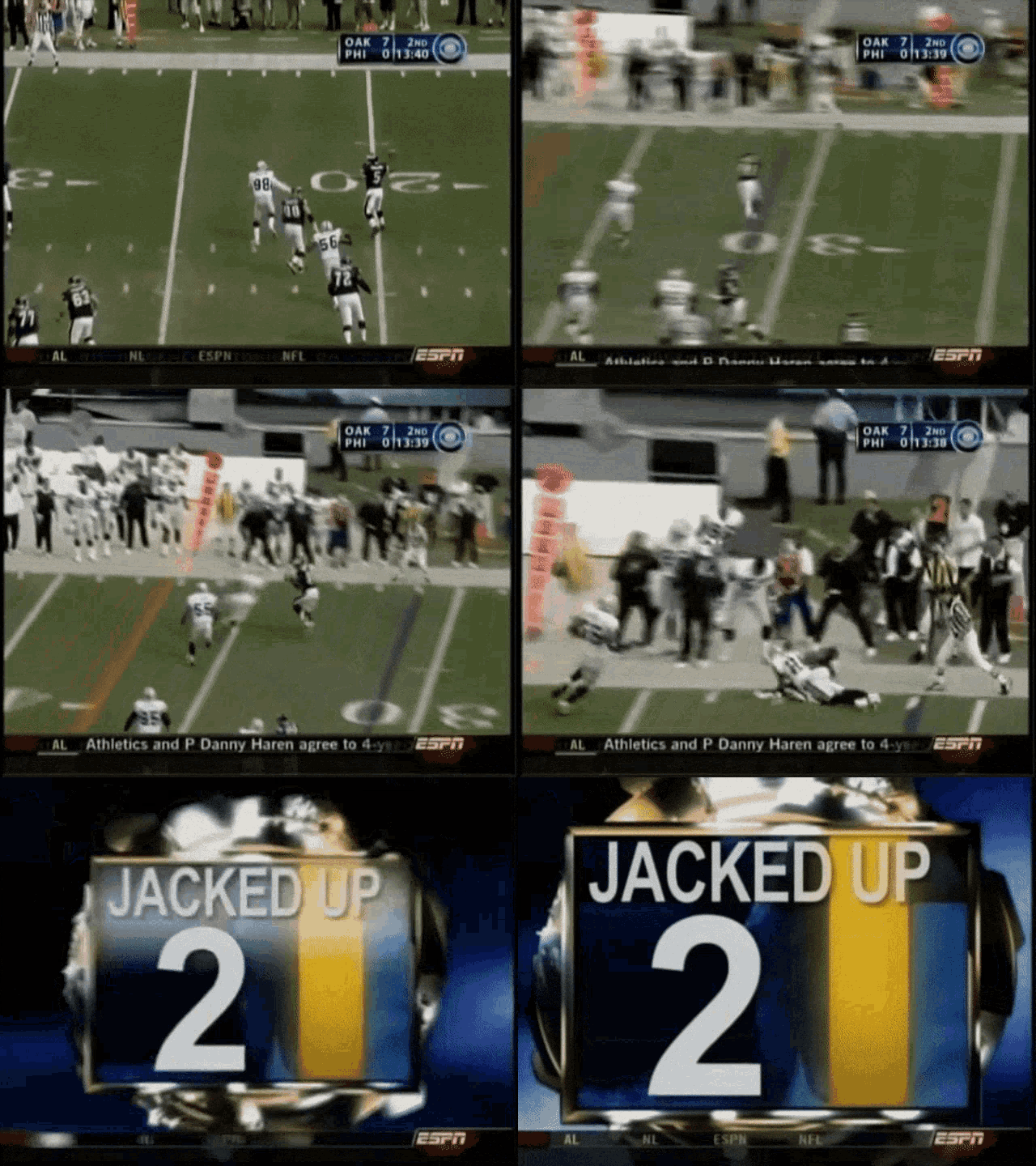
In other videos circulating from the events, several competitors are knocked out and require immediate medical attention.
Taua'a acknowledges the sport comes with risks, but says the league has safety protocols to minimise them.
Competitors are screened, undergoing medical assessments – such as blood tests and a physical exam – and they must also send a recent video of themselves playing a sport that features tackling. Medical staff are also on the sidelines of the events.
"There's an element of danger with surfing, with boxing, and many other sports as well," Taua'a argues.
For Champ Betham - who won NZ$20,000 earlier this month at the competition in Auckland and is gunning for the title in Dubai on Saturday – the element of danger is a secondary consideration.
"This is a massive blessing to a whole heap of us to pretty much try and win 20K or whatever for a couple hours' work," he told Radio New Zealand at the time.
"We got to pay off some debts and stock up the fridges and the cupboards, food for our little ones, especially with the economy and stuff like that here in New Zealand. Nothing's cheap these days."
The money involved, for a league which has only been around for six months, is impressive. Along with the prize fund, competitors' travel and accommodation expenses are being paid. A 1,600-seat arena has been booked. The league has a slick social media account, a PR representative, and a bunch of promoters - including antipodean sports stars.
Its initial financial backers have been described only as 'a group of local investors who believe in the product', but bigger names are emerging: days before the Dubai event, the league announced it had secured a major sponsor in online gambling platform Stake.com, which is banned in key markets like Australia and the UK.
There are also ongoing talks with potential US investors, including a contact linked to American podcaster and UFC heavyweight Joe Rogan, which Taua'a says 'will definitely help' the league build a presence in the US.
They will need big backers to match their ambitions for the contest, which they argue is more than just a fleeting social media trend.
"This could actually eventuate into a sport that could sit [in a class] with MMA and boxing," Hancock says.
But as Taua'a and Hancock focus on the competition's future ambitions, more and more voices are questioning its safety.
"They might as well set up smoking as a legitimate sport," says neuroscientist Alan Pearce.
Speaking to the BBC from the New Zealand city of Palmerston North, Peter Satterthwaite is unequivocal.
"It's not a sport," he says. It's 'a dangerous activity' designed purely 'to hurt the guy in front of you'.
His 19-year-old nephew Ryan was celebrating a 21st birthday with friends at a local park when they decided to try the game they'd seen all over their social media feeds.
Ryan did two tackles. Neither he or his friend fell down or clashed heads. But as he walked away, he told his mates he didn't feel well, his uncle recounts.
"[Ryan] was coherent for a bit, then he lay down and his eyes just rolled back in his head."
On Monday evening, just a day after he was playing with his mates, Ryan's life support was turned off in a hospital room filled with loved ones.


 www.stuff.co.nz