

- Joined
- Aug 25, 2021
- Messages
- 14,003
- Reaction score
- 34,300
Is It Time For A German Nuclear Bomb?
 worldcrunch.com

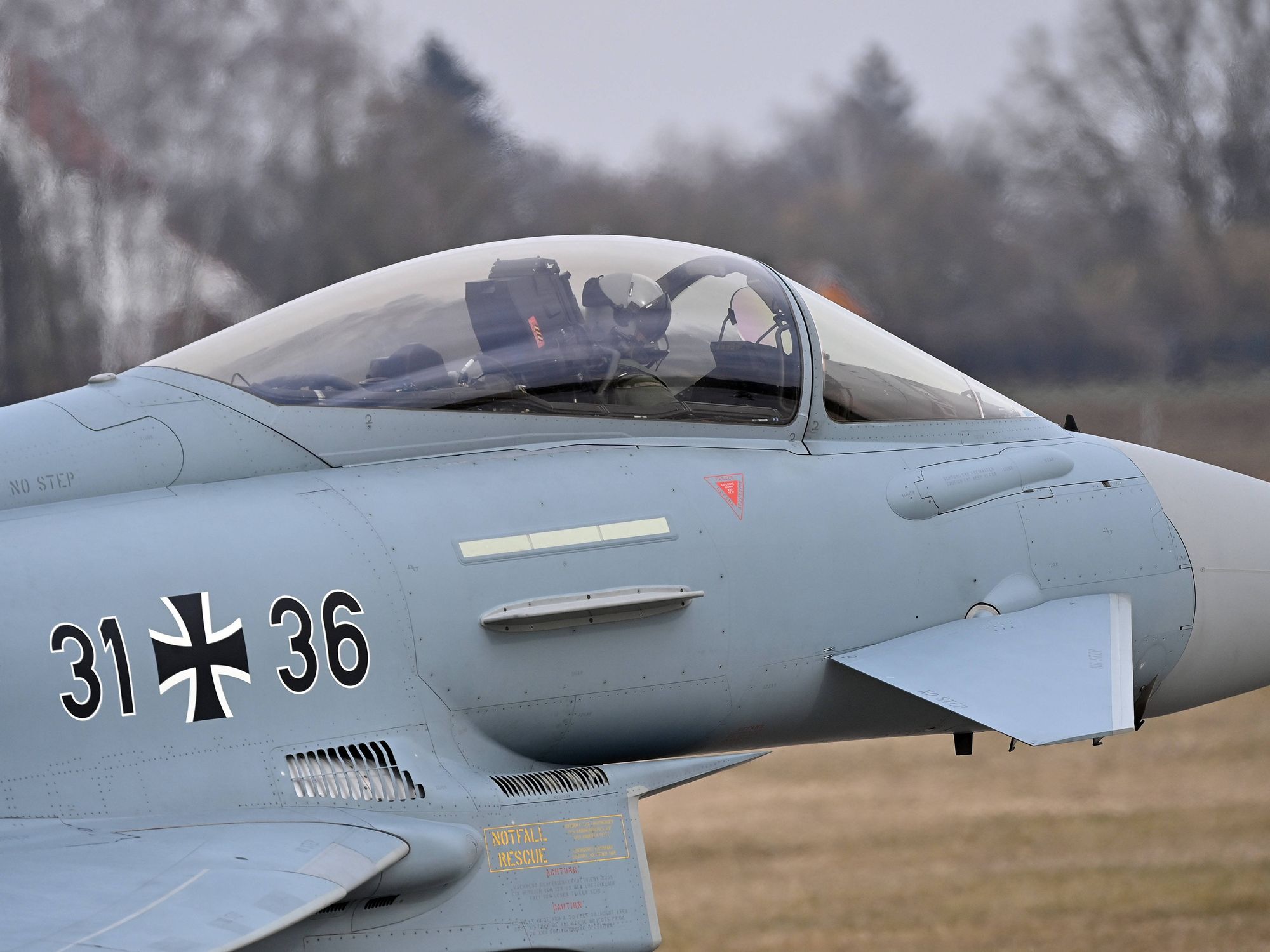
A Eurofighter taking off from the 74th Tactical Air Wing in Neuburg an der Donau - one of four Eurofighter bases of the German Air Force
Crossroads
Germany is at a crossroads when it comes to its security policy — one of the deepest upheavals of the post-War era.
The United States, which has served as the primary guarantor of Germany’s territorial integrity since 1949, is fundamentally altering its foreign policy under Republican leadership. President Donald Trump is signalling a realignment of U.S.-Russia relations, clashing with Ukrainian President Volodymyr Zelensky, and increasingly calling the reliability of the transatlantic alliance into question — without concern for European interests.
The speed and magnitude of this shift are so profound that even a staunch supporter of transatlantic relationships like Friedrich Merz, projected to be Germany's next Chancellor, is now openly advocating for European security independence from the United States.

Merz
A key step toward achieving this goal will undoubtedly be strengthening European armed forces and expanding defence-industrial capabilities. But beyond this necessary conventional modernisation lies a more fundamental question: Who could supplement or even replace the U.S. nuclear umbrella, which has long been the ultimate guarantor of German and European security?
Handover
Merz has announced his intention to engage in talks with the United Kingdom and France to explore whether both countries would be willing to extend their nuclear deterrence to Germany.
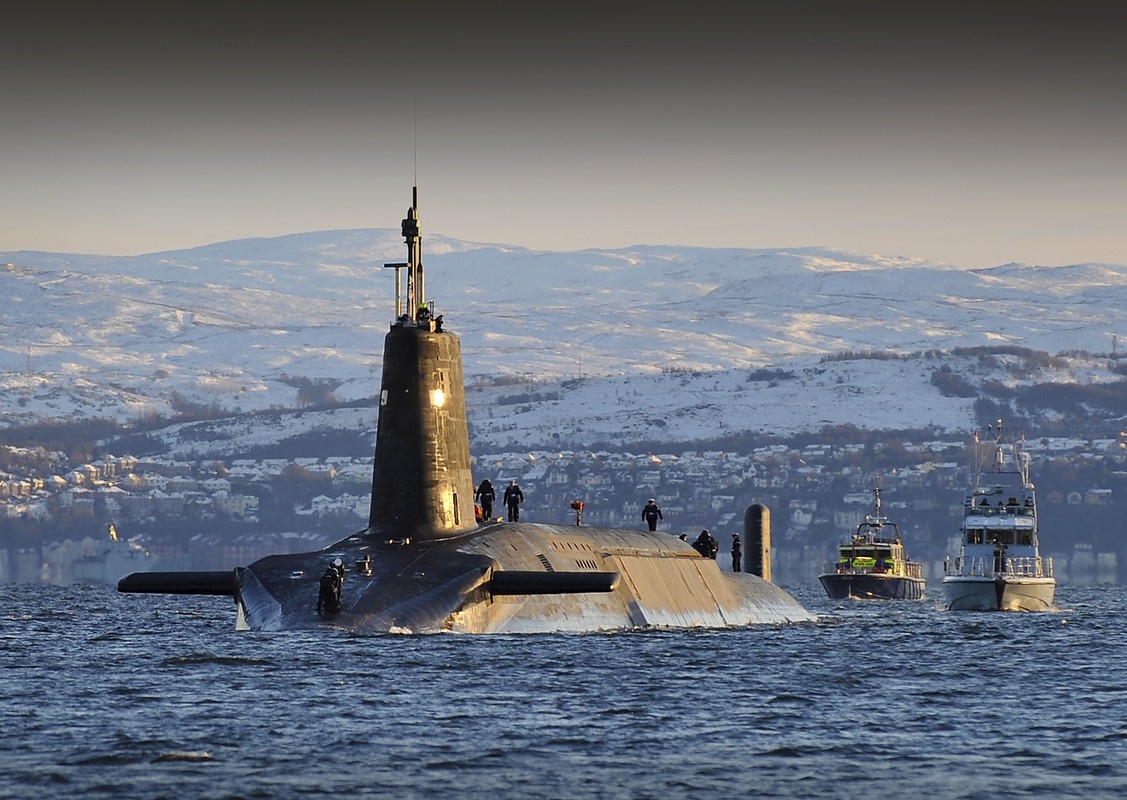
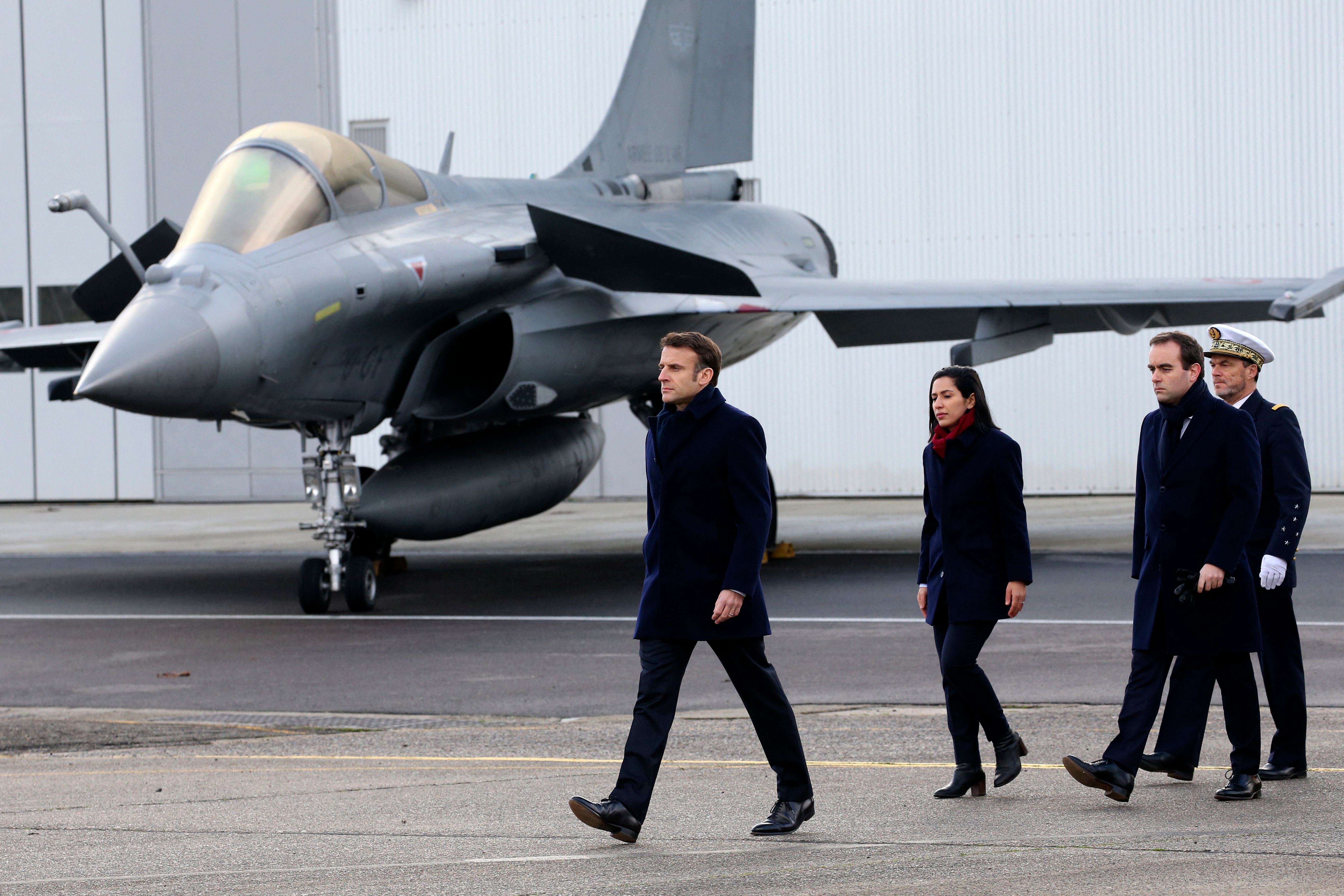
Such an expansion could take various forms.
The UK and France could commit to responding with nuclear retaliation in the event of a nuclear or large-scale conventional attack on Germany.
France could also send a political signal by permanently stationing nuclear-armed aircraft in Germany.
Nuclear Sharing
A more complex and politically sensitive option would be a Franco-German nuclear-sharing arrangement modelled after existing agreements with the U.S., where French nuclear weapons would be stationed on German soil and operated by German aircraft in case of an emergency. In exchange for security guarantees, stationing arrangements, or nuclear-sharing, Germany might consider financial contributions to France’s costly nuclear arsenal.
Proliferation Risk
All these options could temporarily help offset waning confidence in U.S. deterrence. But fundamental questions remain. How reliable would such security guarantees be in a crisis? Would German and French perceptions of existential threats align closely enough to warrant a nuclear response? And would Paris truly be willing to risk nuclear escalation to protect Berlin?
Beyond these uncertainties a deeper contradiction emerges: If the U.S. is no longer seen as a reliable partner, why should a new dependence on Britain and France guarantee long-term stability? What if the same political currents that are eroding transatlantic relations eventually weaken the resolve of London or Paris as well?
Independent Nuclear Option
A radical answer to this dilemma occasionally surfaces in security debates: Germany should become a nuclear power itself. A German bomb would provide strategic autonomy, yet the drawbacks would be severe.
Germany would have to break its commitments under the Nuclear Non-Proliferation Treaty (NPT) or withdraw from it, acquiring a weapon designed for mass destruction — actions at odds with its self-image as a champion of values-based foreign policy and a rules-based international order.

Moreover, the question arises as to whether Germany would be strategically self-confident enough to go it alone. Would such a far-reaching decision at a purely national level even be realistic? And if not, would it be possible to gain the approval of European partners?
Beyond legal, ethical and political concerns, a German bomb also poses considerable hard security risks. The global non-proliferation of nuclear weapons is one of the greatest success stories of the post-war order, even if negative examples such as North Korea dominate public perception. Dozens of states today have the technological capability to produce nuclear weapons in principle, but have made a conscious decision not to do so. A German withdrawal from the NPT could weaken this norm and thus also endanger Germany's own security in the long term.
Hedging
There is, however, a third option: nuclear hedging. In this model, a country does not develop nuclear weapons outright, but instead builds the technological capacity to produce them if ever deemed necessary. It approaches the threshold of nuclear weapons capability as closely as possible, without actually crossing it.
A country that adopts this approach can uphold its commitments under the NPT, maintain the nuclear taboo, and avoid the international condemnation that an overt breach of this norm would entail. At the same time it puts itself in a position to develop nuclear weapons within a short timeframe — possibly within months — should the security situation deteriorate to the point where such a step becomes unavoidable.
Germany could leverage its extensive scientific and industrial base to implement a hedging strategy. While other countries might require years or even decades to develop the necessary capabilities, Germany already possesses a broad spectrum of key technologies and expertise — from highly-specialised neutron research to precision metallurgy. It also has existing delivery system capacities that could potentially support a nuclear role in the future. For example, Taurus cruise missiles could be modified for this purpose with relatively little effort.
Plutonium and Uranium
But the critical difference between Germany’s current status and a true hedging approach lies in its ability to produce weapons-grade fissile material — arguably the greatest hurdle on this path.
Nuclear weapons rely on two types of fissile material: plutonium, which is produced in reactors, and highly-enriched uranium, which is obtained through isotope separation. When it comes to plutonium Germany has shut down its civilian nuclear reactors for power generation, and most of the reactor types it previously operated would have been poorly suited for producing weapons-grade material in any case.
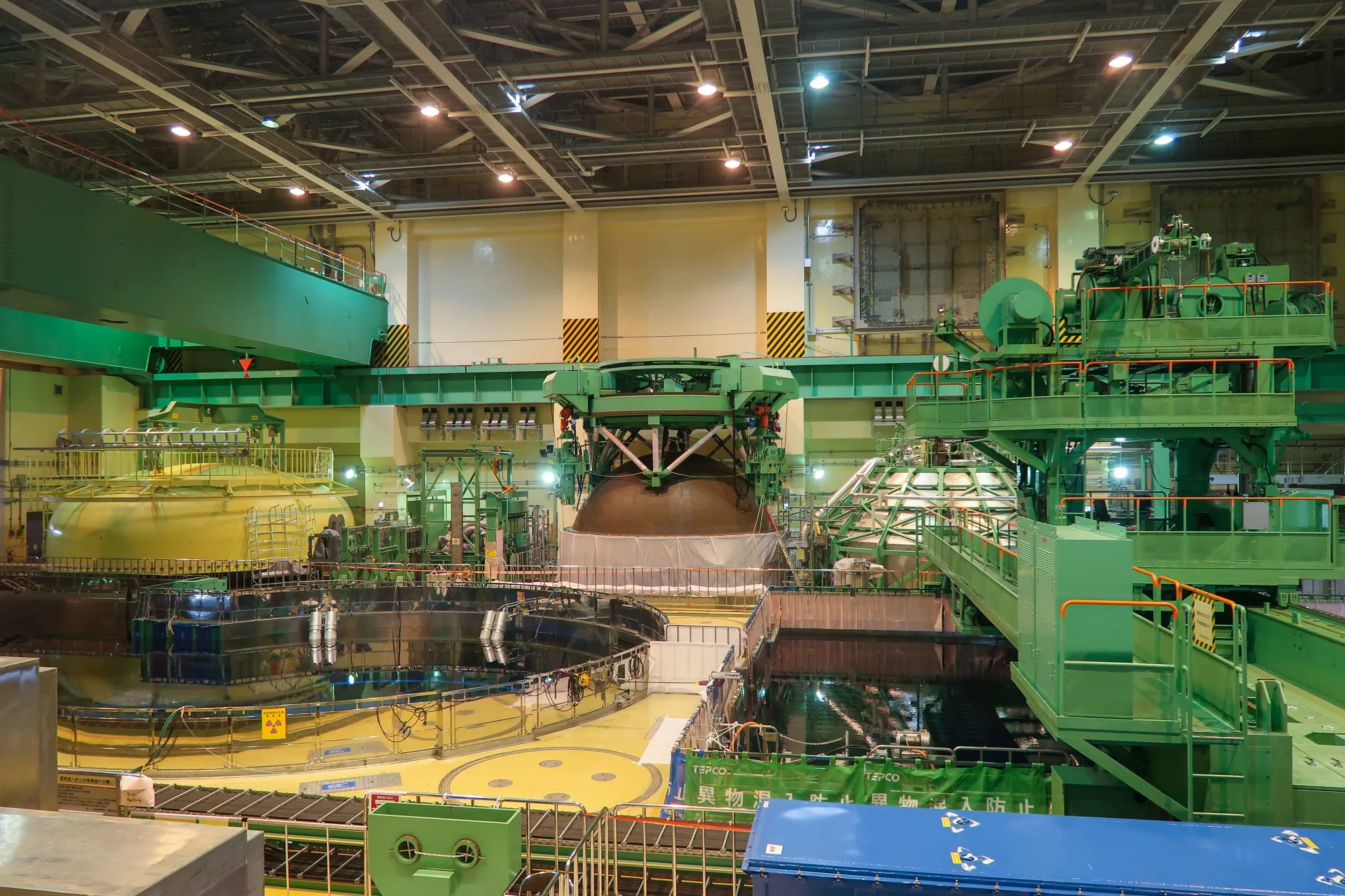
The situation is different when it comes to uranium enrichment. Germany possesses state-of-the-art centrifuge technology and operates a facility for producing low-enriched uranium for civilian nuclear fuel as part of the British-German-Dutch Urenco group. Based on this technological expertise, a national enrichment capability for higher enrichment levels could be developed — nominally for civilian purposes, but quickly repurposed in a crisis.
Last edited:


