- Joined
- Nov 14, 2019
- Messages
- 23,599
- Reaction score
- 52,433
There seems to be this persistent idea floating around that Zhang Weili isn’t really that big of a star, or that women’s MMA in general doesn’t generate money for the UFC. That couldn’t be further from the truth, and the numbers prove it.
Start with UFC 248. Zhang’s fight with Joanna Jedrzejczyk didn’t just put on one of the greatest fights of all time—it literally broke the internet in China. ESPN reported that within 24 hours over 100 million people in China had viewed the fight. PP Sports, the streaming rights holder at the time, logged 12.47 million live streams on its platform, along with more than 100 million additional video clicks around the event. The traffic was so overwhelming that their servers crashed. That doesn’t happen unless you’re a true star drawing nationwide attention 【web†source】.
And this is why the UFC’s media rights in China skyrocketed. The original deal with PPTV was estimated around $50 million. After Zhang’s rise, the UFC struck a new exclusive deal with Migu (a China Mobile subsidiary) valued in the high eight figures over five years. That is guaranteed money flowing into the UFC, and Zhang’s presence was a central factor in that jump. When the UFC can show that one fighter generates nine-figure viewership totals and tens of millions of live streams, they have leverage to secure bigger deals with national platforms 【web†source】.
It’s not just about one night of views either. Zhang consistently trends on Chinese social platforms like Weibo and Douyin, pulling millions of followers and hashtags in the tens of millions of views. That level of online traction is exactly what broadcasters and sponsors pay for. When the UFC sells rights in China, Zhang is the face they’re selling.
So the idea that she’s “not that popular” or that WMMA doesn’t bring money is flat-out wrong. Zhang Weili has already proven she can deliver hundreds of millions of views, push streaming platforms to their limits, and help the UFC secure contracts worth tens of millions of dollars in guaranteed revenue. You can argue about her inactivity or her matchups, but denying her star power and financial impact ignores the reality of how the UFC makes money in global markets.
If you look at Zhang Weili’s numbers inside China compared to Alex Pereira worldwide, they’re actually in the same ballpark. Weili has 8.1M on Douyin, 2.3M on Weibo, and about 2M on Kuaishou. Pereira’s Instagram is around 7M. So Weili’s total Chinese following alone edges him out, though hers is concentrated in her home market while his is global.
In China, Weili is a legit sports celebrity beyond MMA. She’s not at the very top like Li Na or Sun Yang who pull 20–30M, but she’s still in that second tier where casual fans know her on the biggest apps. Pereira is massive right now and his popularity is rising fast, but most of his visibility is tied to hardcore MMA fans internationally.
The key is that Weili has cracked into the casual sports crowd in China, while Pereira is still mostly recognized by core MMA fans. In the U.S. terms, think of her like a Jon Jones/Adesanya type—someone with crossover presence in her country. Pereira’s star power is building, but he hasn’t hit that “national name” level in Brazil or globally yet.
Start with UFC 248. Zhang’s fight with Joanna Jedrzejczyk didn’t just put on one of the greatest fights of all time—it literally broke the internet in China. ESPN reported that within 24 hours over 100 million people in China had viewed the fight. PP Sports, the streaming rights holder at the time, logged 12.47 million live streams on its platform, along with more than 100 million additional video clicks around the event. The traffic was so overwhelming that their servers crashed. That doesn’t happen unless you’re a true star drawing nationwide attention 【web†source】.
And this is why the UFC’s media rights in China skyrocketed. The original deal with PPTV was estimated around $50 million. After Zhang’s rise, the UFC struck a new exclusive deal with Migu (a China Mobile subsidiary) valued in the high eight figures over five years. That is guaranteed money flowing into the UFC, and Zhang’s presence was a central factor in that jump. When the UFC can show that one fighter generates nine-figure viewership totals and tens of millions of live streams, they have leverage to secure bigger deals with national platforms 【web†source】.
It’s not just about one night of views either. Zhang consistently trends on Chinese social platforms like Weibo and Douyin, pulling millions of followers and hashtags in the tens of millions of views. That level of online traction is exactly what broadcasters and sponsors pay for. When the UFC sells rights in China, Zhang is the face they’re selling.
So the idea that she’s “not that popular” or that WMMA doesn’t bring money is flat-out wrong. Zhang Weili has already proven she can deliver hundreds of millions of views, push streaming platforms to their limits, and help the UFC secure contracts worth tens of millions of dollars in guaranteed revenue. You can argue about her inactivity or her matchups, but denying her star power and financial impact ignores the reality of how the UFC makes money in global markets.
If you look at Zhang Weili’s numbers inside China compared to Alex Pereira worldwide, they’re actually in the same ballpark. Weili has 8.1M on Douyin, 2.3M on Weibo, and about 2M on Kuaishou. Pereira’s Instagram is around 7M. So Weili’s total Chinese following alone edges him out, though hers is concentrated in her home market while his is global.
In China, Weili is a legit sports celebrity beyond MMA. She’s not at the very top like Li Na or Sun Yang who pull 20–30M, but she’s still in that second tier where casual fans know her on the biggest apps. Pereira is massive right now and his popularity is rising fast, but most of his visibility is tied to hardcore MMA fans internationally.
The key is that Weili has cracked into the casual sports crowd in China, while Pereira is still mostly recognized by core MMA fans. In the U.S. terms, think of her like a Jon Jones/Adesanya type—someone with crossover presence in her country. Pereira’s star power is building, but he hasn’t hit that “national name” level in Brazil or globally yet.


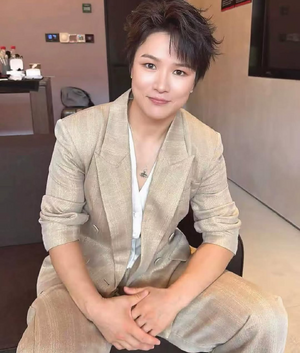
 looking like medical doctor or engineer at large firm