A report suggests shareholders have taken billons but failed to invest as water bills look set to rise.
www.bbc.co.uk
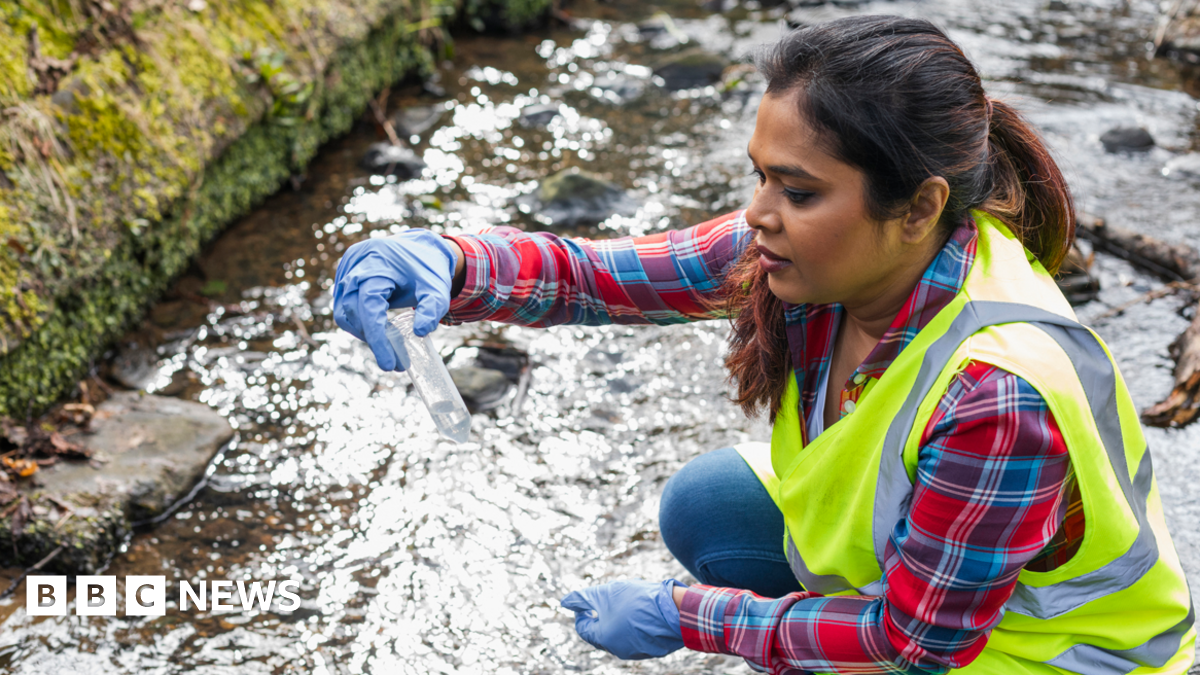
Shareholders in some of the UK's largest water companies have taken out tens of billions of pounds but failed to invest, new research claims, with firms planning to raise household bills to fund future spending.
Investors have withdrawn £85.2bn from ten water and sewage firms in England and Wales since the industry was privatised more than 30 years ago, analysis by the University of Greenwich suggests.
Companies are under pressure following sewage spills and water leaks, which critics have blamed on under-investment in the country's infrastructure.
Ofwat, the industry regulator, said it 'strongly refuted' the figures.
Water and sewage firms want to increase customers' bills by an average 33% over the next five years to fund improvements in the services for households.
But David Hall, visiting professor at the Public Services International Research Unit at the University of Greenwich,
claims that water companies have invested 'less than nothing of their own money' and are 'treating their customers like a cash cow'.
The University of Greenwich examined the company accounts of the top 10 water and sewage companies in England and Wales including Thames Water, United Utilities and Severn Trent.
It said that between privatisation in 1989 and 2023, money invested by shareholders in the largest firms shrank by £5.5bn when adjusted for inflation.
Over the same period the amount of 'retained earnings' - profits left over once things like dividends have been paid out, that can be used to invest in a business - had dropped by £6.7bn in real terms.
Meanwhile the total amount that these firms paid out to their shareholders in dividends grew to £72.8bn, when taking inflation into account.
A MAP has revealed how tap water in ten UK regions is riddled with POO – with experts fuming it “should simply never happen”. Hundreds are feared ill after tap water in South Devo…
www.thesun.co.uk
A map has revealed how tap water in ten UK regions is riddled with POO - with experts fuming it 'should simply never happen'.
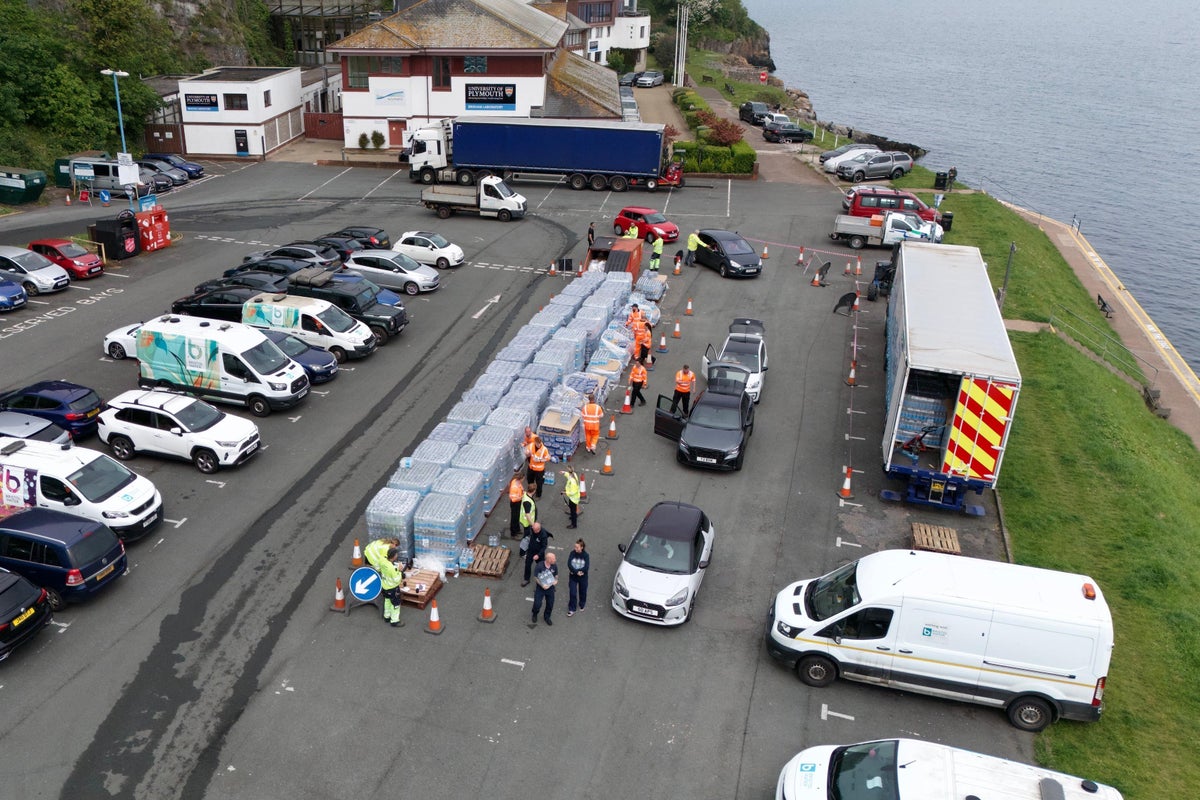
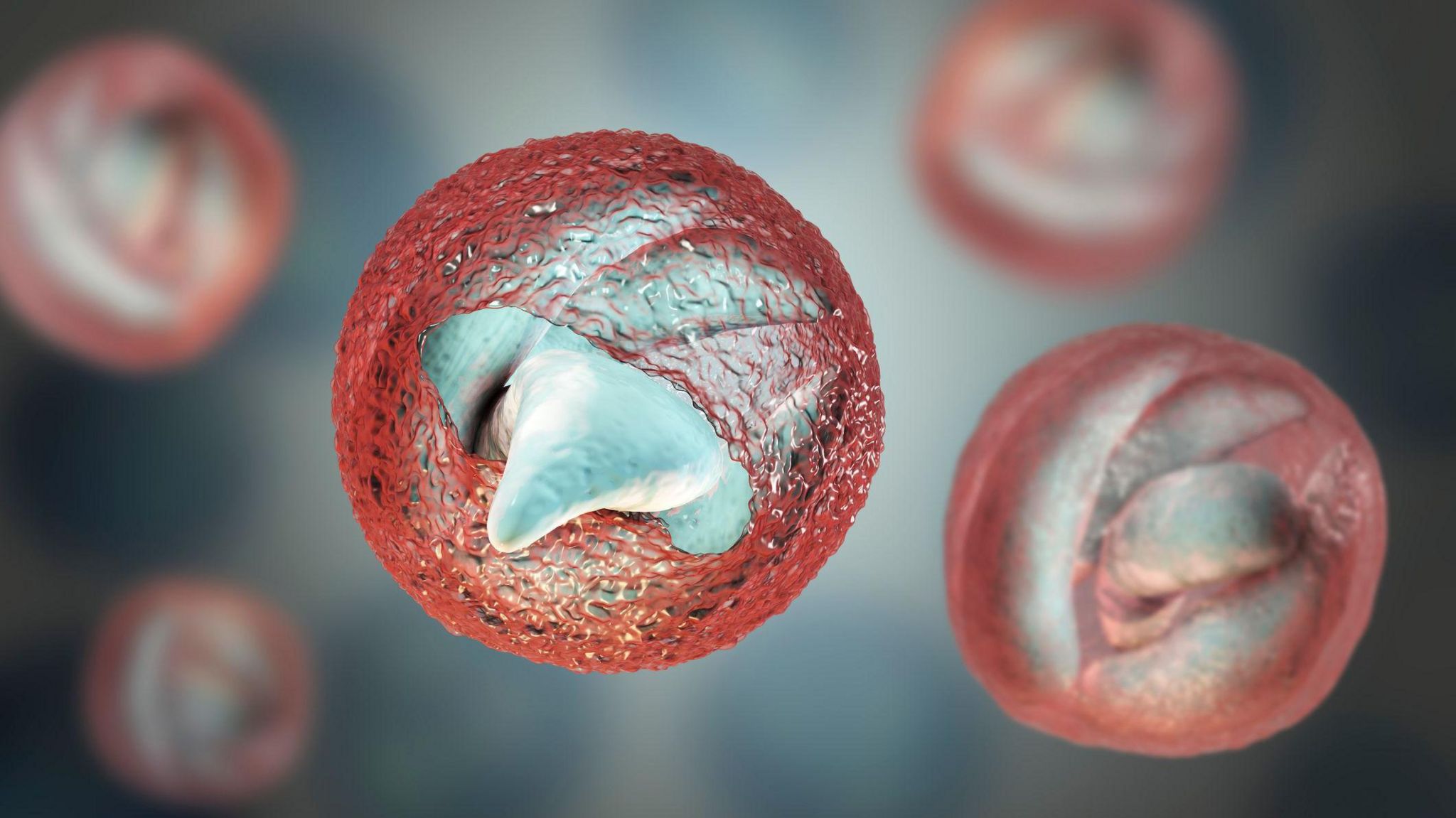
Hundreds are feared ill after tap water in South Devon was found to be contaminated with a parasite causing diarrhoea and 'childbirth-like' cramps.
The UK Health Security Agency is investigating 46 confirmed cases linked to the cryptosporidium outbreak.
Cryptosporidium
But experts fear people could fall ill in other parts of the UK.
A map has revealed how over 44.5 million Brits were supplied water by a company that experienced at least one bacteria breach in 2022.
A total of 34 E. coli and Enterococci breaches took place in England and Wales in 2022, according to the Government's Drinking Water Inspectorate (DWI).
Both are types of bacteria that indicate water has been contaminated by faeces, which can make humans and animals very sick.
The number of people infected with a waterborne disease following a parasite outbreak in south Devon is likely to increase for up to two weeks, a public health boss has warned.
The UK Health Security Agency (UKHSA) said on Friday that 46 cases of cryptosporidium, a disease that can cause unpleasant symptoms such as diarrhoea and vomiting, had been confirmed in Brixham after people drank water feared to be contaminated with a waterborne parasite.
Around 16,000 households and businesses were told not to use their tap water for drinking without boiling and cooling it first, as more cases are anticipated.
Over 600 homes in Bramley are affected by the warning, which comes after months of issues.
www.bbc.co.uk
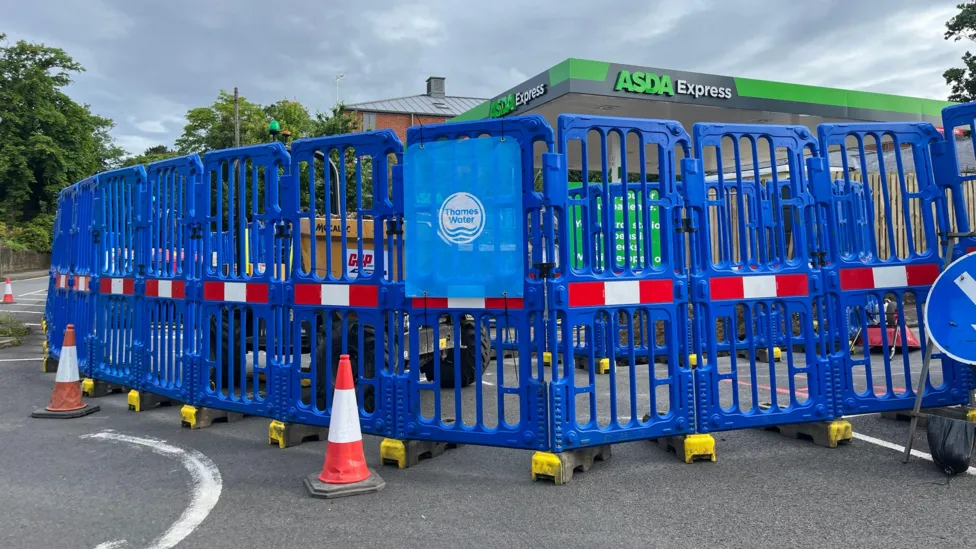
More than 600 households in a Surrey village have been warned not to drink tap water after tests carried out by Thames Water following a previous fuel leak.
The company said the advice was a precautionary measure for properties in Bramley, where there had been concerns about a petrol station spill.
Thames Water said 'concerning results' had been identified in three areas, showing 'elevated' levels of hydrocarbons, which petrol is made from.
Tess Fayers,
Thames Water's regional operations director, told BBC Radio Surrey: "It is all linked to an issue with a fuel leak which has been plaguing the town of Bramley for quite some time."
Catha Holt said she had been drinking only bottled water since the start of the year.
She said the notice was 'quite worrying for people'.
Steve Hardstone, landlord of the Jolly Farmer pub, said it had the only deep cellar in the high street, and the smell of fuel had 'permeated the whole building'.
He said: "It's damaged us massively. We've had customers literally walk in and walk out again."
Exclusive: Ofwat to investigate circumstances around payment of dividend to intermediate parent company
www.theguardian.com
The board of Thames Water agreed to pay a £150m dividend hours before its shareholders U-turned on plans to pump emergency funding into the struggling water supplier, the Guardian can reveal.
The water industry regulator was examining the decision by the debt-laden company’s board to sign off the payout at a meeting on the 27th of March, sources said.
The following day the company said an imminent £500m injection of funds that had been pledged by its investors would not be paid, amid a standoff with Ofwat. That decision threatens to tip... [the UK's biggest] water company into public hands, with Whitehall officials war-gaming its temporary renationalisation.
Ofwat planned to investigate the circumstances around the dividend paid by Thames, sources said. At the time, Thames was already under investigation over its decision to pay a separate £37.5m dividend.
Thames Water’s fate is one of the biggest issues facing the next government, with the company labouring under £15.6bn of debt, the bulk of which could be added to the public purse.
The problem is though were not just dealing with regulatory capture were dealing with political and(perhaps most importantly) media capture.
The liberial media in the UK are currently trying to rebuild their credibility, plenty of articles talking about "the issues neither party is facing up to" but we saw these same media bodies extremely hostile reaction to Corbyn's labour genuinely suggesting renationalisation.
Ofwat says UK’s biggest water company will come under extra scrutiny as it faces prospect of restructuring or temporary renationalisation
www.theguardian.com
The water industry regulator has put Thames Water into unprecedented special measures, allowing extra scrutiny of the struggling water supplier as it faces the prospect of a painful restructuring or temporary nationalisation.
Ofwat said on Thursday that the company, which is creaking under £15.2bn of debt, would be placed in a 'turnaround oversight regime' and subjected to 'heightened regulatory' measures, meaning it must regularly [and frequently] report on the progress of its investment plan.
It is the first time a water company has faced such measures, and comes amid increased fears the supplier will collapse into a publicly-funded administration.
The regulator made the announcement as it published its draft review on English and Welsh water companies’ business proposals, which found the Thames plan to be 'unsatisfactory'.
Ofwat said customers at Britain’s biggest water company, which serves 16 million customers across London and the south-east, would face a 22% increase in their bills over the next five years, a £99 rise to £535. Thames had asked the regulator to raise bills by 44% over the next five years. Overall, the review suggested the average water bill across the companies could rise by 21%, or £94, over the next five years, also to £535.
Thames investors said in March that Ofwat had made the company 'uninvestable' as they U-turned on £500m of pledged funding. The company said this week it would approach potential investors this autumn, before the regulator’s final verdict in December.
As a result of being put into special measures, Thames will have to provide a delivery action plan and regularly [and frequently] report on the progress of its spending programme. It will also have to provide a financial resilience plan and could be scrutinised by an independent monitor, who would be given full access to company information.
In order to exit the regime, it will need to show an improvement in its operating performance, delivery of investments and the state of its balance sheet.
The company could be limited in the amount of debt it can take on.
Shareholders in some of the UK's largest water companies have taken out tens of billions of pounds but failed to invest, new research claims, with firms planning to raise household bills to fund future spending.
Investors have withdrawn £85.2bn from ten water and sewage firms in England and Wales since the industry was privatised more than 30 years ago, analysis by the University of Greenwich suggests.
Companies are under pressure following sewage spills and water leaks, which critics have blamed on under-investment in the country's infrastructure.
Wipe out the shareholders and bond holders and nationalize. The new government should just do it. Water is a utility that is just not suited to private ownership
Thames Water, Yorkshire Water and Northumbrian Water face £168m fines by the industry regulator over historic sewage spills.
The proposal will now go to public consultation, and is part of Ofwat's largest ever investigation into water company performance.
The announcement comes amid growing public anger over the environmental and financial performance of some water companies.
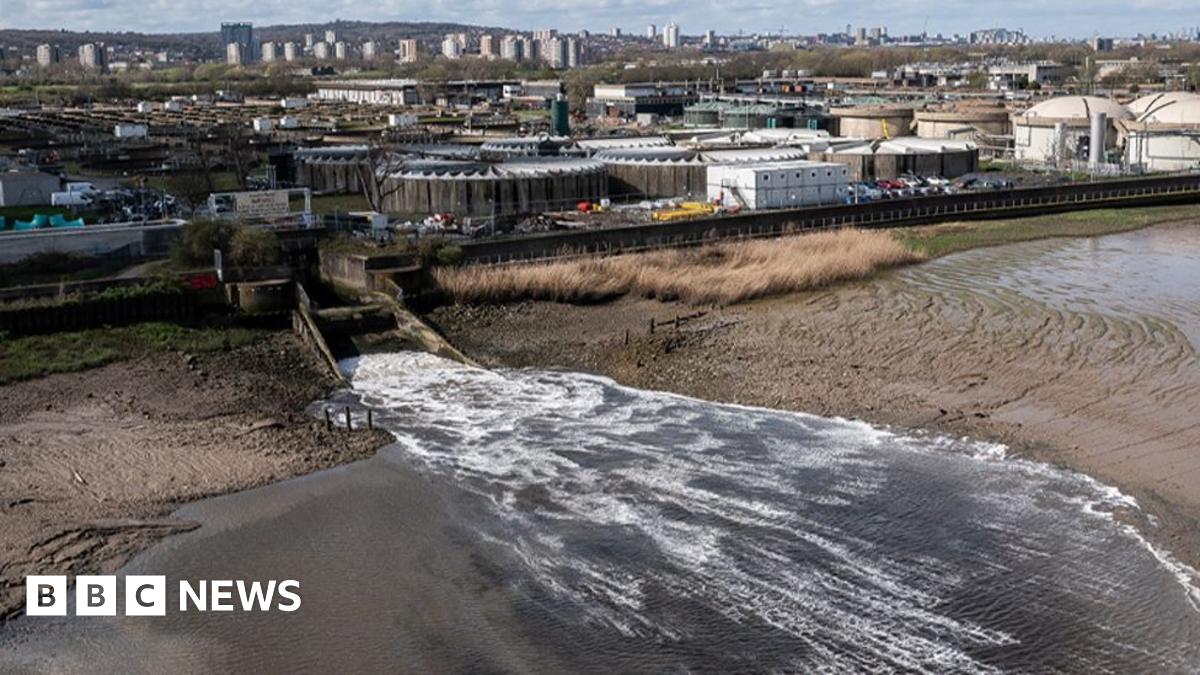
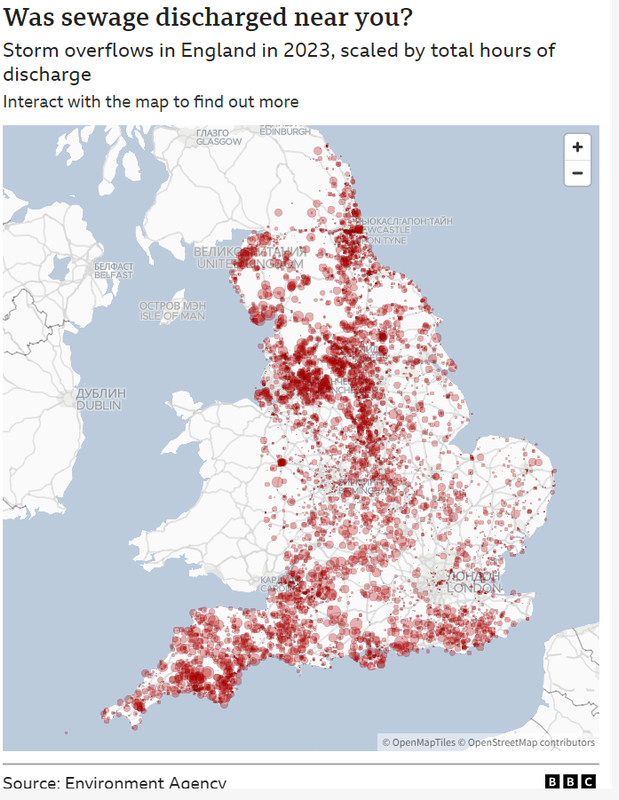
Sewage spills into England's rivers and seas more than doubled last year.
Ofwat's investigation has looked into whether the three companies have been providing customers with the level of service they are entitled to under the law.
It has found the three companies failed to adequately invest in and maintain their networks, leading to repeated releases of raw sewage into the country’s waterways.
On Tuesday it proposed fines of £47m for Yorkshire Water and £17m for Northumbrian Water. For Thames Water it is proposing the largest fine on record, of £104m.
The regulator's chief executive, David Black,
said: “Ofwat has uncovered a catalogue of failure by Thames Water, Yorkshire Water and Northumbrian Water in how they ran their sewage works and this resulted in excessive spills."
"For too long, failure to invest in our vital water infrastructure has been unchecked," said Tessa Wardley,
director of advocacy at environmental charity Rivers Trust. It seems highly likely that there is more to come when investigations into the other eight water companies is concluded."
Water companies have been proposing to raise customer bills by more than 44% over the next five years to pay for improvements in water infrastructure.
The government is currently consulting on plans to ensure that money earmarked for upgrades cannot be used to pay salaries or dividends.
Compensation
Households left with undrinkable tap water will receive compensation for the first time, ministers have announced.
The Department for Environment, Food and Rural Affairs (DEFRA) has set out tough measures to crack down on water companies failing their customers. It includes doubling water bill compensation for poor customer service, such as for low water pressure.
The list of circumstances that can trigger compensation will also be expanded, including automatic payments for those issued boil notices (telling them to boil their water before drinking or cooking with it).
The minimum payout for households receiving boil notices would be £40.
The proposals, which will be subject to an eight-week consultation, will increase the amount of reimbursement customers are legally entitled to when standards are not met. For example reimbursement for internal flooding from sewers will increase from a maximum of £1,000 to £2,000.
Thames Water Strikes Deal
Thames Water has accepted tighter scrutiny from regulator Ofwat in exchange for avoiding a potentially hefty fine, after Britain’s biggest water utility breached licence conditions...
Thames Water, which supplies water and sewage services to about 16m households in London and surrounding areas, will allow an independent monitor to access its records and report on progress, Ofwat said in a statement on Wednesday.
It will also develop a new business plan, raise fresh equity and appoint new non-executive directors, the regulator added. The deal is subject to public consultation, ending on the 16th of August.
The proposals come after the utility breached legal licence conditions following a downgrade in credit ratings to junk by two rating agencies, S&P and Moody’s. That put it at risk of a fine equivalent to 10 per cent of turnover, and added to the financial strain facing the company.
The need to strike deals on fines underscores the deepening financial crisis at the water company, which faces potential renationalisation under the government’s special administration regime.
Thames Water is struggling under the weight of higher interest rates on its £18bn debt mountain, and needs billions of pounds of investment after admitting that its infrastructure poses a risk to public health and safety.
The company was thrown into crisis in March when its existing owners — pension funds Omers and USS, as well as sovereign wealth and private equity funds — refused to put equity into the business after declaring the company 'uninvestable', a position they say remains 'unchanged'.
The company has more than £1bn of loans that need refinancing by the end of the year, only some of which can be rolled over. Although it has enough cash to last until May, this relies on it raising £750m in equity by then, and a further £2.5b by 2030.
That task has been made more difficult after Ofwat last month put it into special measures, asked it to rewrite its business plan and rejected its request for a real terms 40 per cent increase in average household bills over five years to 2030. Instead, the regulator proposed a 23 per cent increase, to about £535 a year, with a final decision expected in December.
Ofwat Expands Investigation
Ofwat has opened cases into four more water and wastewater companies, expanding its investigation of sewage outflows to all water and sewage utilities in England and Wales.
Water companies are facing an onslaught of regulatory and legal cases, following evidence that they are tipping unknown quantities of raw effluent and storm water into coastal waters, rivers and lakes, risking the environment and public health.
Last week the Supreme Court ruled that private landowners and individuals can seek redress for sewage released into UK waterways, paving the way for further legal claims.
The Environment Agency, another regulator, is also conducting its largest-ever criminal investigation into potential widespread non-compliance by water and sewerage companies, at more than 2,200 sewage treatment works.
Just 16 per cent of waterways in England and Wales meet minimum EU standards for ecological status and none meet the standards for chemicals, according to official Environment Agency data.
/
I'm not a big fan of Starmer and Labour, but they are taking some action on this.
Thames Water has been labelled “junk” by two credit agencies who are losing faith in the water company’s ability to ever pay back the billions…
www.swindonadvertiser.co.uk
Thames Water has been labelled 'junk' by credit agencies, who are losing faith in the water company’s ability to ever pay back the billions it owes.
The water company supplying Swindon owes £15 billion and only has enough cash to continue operating until May 2025.
Two credit agencies - independent companies that securely collect and hold data on companies’ or individuals’ financial history - say that Thames Water’s financial situation is worse than previously thought.
Moody’s downgraded Thames Water to a Caa1 rating and S&P lowered its rating to CCC+. These are known as 'junk' ratings, and mean it is a very high-risk company likely to default on its debts.
Both agencies believe that much of Thames Water’s day-to-day funding will run out in December if it does not get more from its creditors.
But this will be harder with a lower credit rating, as potential lenders will have less confidence they will ever be paid back.
S&P wrote that it is likely the water firm 'will default in the next 12 months without any material positive developments'.
If Thames Water does not raise fresh cash, it faces a potential nationalisation next year, something the Labour Government has said it is keen to avoid.
Thames Water has been labelled “junk” by two credit agencies who are losing faith in the water company’s ability to ever pay back the billions…
www.swindonadvertiser.co.uk
Thames Water has been labelled 'junk' by credit agencies, who are losing faith in the water company’s ability to ever pay back the billions it owes.
The water company supplying Swindon owes £15 billion and only has enough cash to continue operating until May 2025.
Two credit agencies - independent companies that securely collect and hold data on companies’ or individuals’ financial history - say that Thames Water’s financial situation is worse than previously thought.
Moody’s downgraded Thames Water to a Caa1 rating and S&P lowered its rating to CCC+. These are known as 'junk' ratings, and mean it is a very high-risk company likely to default on its debts.
Both agencies believe that much of Thames Water’s day-to-day funding will run out in December if it does not get more from its creditors.
But this will be harder with a lower credit rating, as potential lenders will have less confidence they will ever be paid back.
S&P wrote that it is likely the water firm 'will default in the next 12 months without any material positive developments'.
If Thames Water does not raise fresh cash, it faces a potential nationalisation next year, something the Labour Government has said it is keen to avoid.
The regulator said the performance of firms last year had been "disappointing" and that money alone was not enough to address the problems facing the industry.
Water firms in England and Wales have been ordered to return £157.6m to customers due to their poor performance.
Thames Water - £56.8 million
Anglian Water - £38.1 million
Yorkshire Water - £36 million
Southern Water - £31.9 million
Welsh Water - £24.1 million
South West Water - £17.4 million
South East Water - £8 million
Wessex Water - £5.3 million
Affinity Water - £5.2 million
Bristol Water - £1.9 million
Portsmouth Water - £1.1 million
South Staffs Water - £700,000
Hafren Dyfrfwy - £200,000
Ofwat said the money would come off bills for households and businesses in 2025-26, with the total rebates set to be calculated in December.
Last year the water regulator ordered firms to repay £114m as part of a similar move.
Ofwat said the results of its annual report on water company performance showed 'disappointing results', and that money alone was not enough to address the problems facing the industry.
The regulator also warned that firms were 'falling further behind on key targets', with nine of 11 suppliers experiencing an increase in 'pollution incidents' in 2023.
Ofwat's report also found that while there had been progress made on leaks, firms had only managed a 6% annual reduction – against a target of 16% by 2025.
The regulator said the performance of firms last year had been "disappointing" and that money alone was not enough to address the problems facing the industry.
Water firms in England and Wales have been ordered to return £157.6m to customers due to their poor performance.
Thames Water - £56.8 million
Anglian Water - £38.1 million
Yorkshire Water - £36 million
Southern Water - £31.9 million
Welsh Water - £24.1 million
South West Water - £17.4 million
South East Water - £8 million
Wessex Water - £5.3 million
Affinity Water - £5.2 million
Bristol Water - £1.9 million
Portsmouth Water - £1.1 million
South Staffs Water - £700,000
Hafren Dyfrfwy - £200,000
Ofwat said the money would come off bills for households and businesses in 2025-26, with the total rebates set to be calculated in December.
Last year the water regulator ordered firms to repay £114m as part of a similar move.
Ofwat said the results of its annual report on water company performance showed 'disappointing results', and that money alone was not enough to address the problems facing the industry.
The regulator also warned that firms were 'falling further behind on key targets', with nine of 11 suppliers experiencing an increase in 'pollution incidents' in 2023.
Ofwat's report also found that while there had been progress made on leaks, firms had only managed a 6% annual reduction – against a target of 16% by 2025.
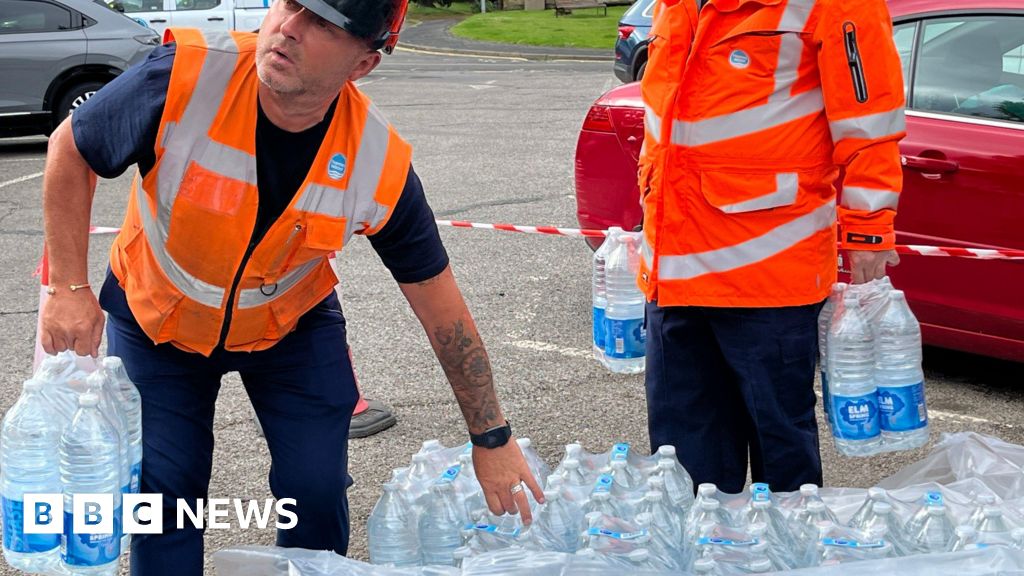
“It feels awful,” said Samantha Hargreaves as she trundled her bottle-laden trolley past queues of cars waiting for drinking water in an Asda car park. It was the second year in a row that her water supply had been cut off shortly before Christmas, and she was loading up her car with extra bottles to give to less mobile neighbours.
“There’s quite a few of us who are struggling,” said Hargreaves, a 31-year-old community healthcare assistant.
Hargreaves is one of tens of thousands of people supplied by Southern Water in and around Southampton whose taps ran dry or lost pressure on Wednesday. The continuing outage, which hit 58,000 households in Hampshire after a fault at a supply works, happened as the industry regulator, Ofwat, announced the region’s bills will rise by more than anywhere else in England.
“I’m not worried about this,” said Roger Brown, 67, pointing to the palettes of bottled water being unloaded in the car park as part of Southern’s efforts to stem the crisis. “I’m more annoyed my water bills are going to go up.”
Water bills across England and Wales will rise over the next five years by an average of 36%, but customers of Southern Water will have their bills shoot up by 53%. The money, Ofwat says, is to be invested in projects that cut spills during storm overflows – a key cause of the raw sewage dumps that have fouled England’s waterways – as well as in meeting stricter environment rules and building new reservoirs to manage drought. Ofwat said the proportion of customers that get help with their bills will more than double from 4% to 9%.
water companies’ failure to invest in fixing leaky pipes or provide a reliable service.
“Why should I pay extra for them doing the work they should have done years ago?” said Brown. “These water companies have got a damn nerve to ask us to pay for that. And I bet once it’s been paid for, our bills won’t go back down.”
The disruption to Hampshire’s water supplies, which is expected to last until the weekend, has caused schools to shut, forced businesses to close and led to long queues and heavy congestion around the three bottled water distribution centres. Southern Water said it had fixed the technical fault and would start to reconnect customers on Thursday afternoon.
Tim Mcmahon, managing director for water at Southern Water, said: “We have started supplying water again to some of the properties that lost supply yesterday.
Currently just under 25,000 homes and businesses (roughly 38%) will be starting to see supply resume. We are working hard to restore supplies to everyone impacted and are hoping to have everyone on supply by the end of the day; however, properties may still be affected by airlocks until the whole supply system refills over the next 24hrs.”
“It is a bit annoying, especially at this time of year,” said Sophie Orton, 29, a hairdresser who has had to cancel appointments during what should be a busy period. “It’s frustrating.”
“It’s a bloody nuisance,” said Clive Brown, 72, a retired commercial diver who used to be in the navy. “It makes you realise you take it for granted. Turn the tap and water comes on – until it doesn’t, you don’t think about it.”
The outage has not surprised residents in some parts of Hampshire, such as the New Forest, which saw similar problems last year.
Julian Leyland said his family went without water for two to three days in November 2023. Then, two weeks ago, a water main burst outside his house and sent a torrent of water flowing down the driveway. Now, the schools his two sons attend have shut because of the latest outage.
Leyland, a water expert who is the director of environmental sensing at Southampton University, said he still had water bottles in the garage from the last crisis, as well as water butts in the garden that could be used to flush the toilet.
“A little bit of self-sufficiency goes a long way,” he said.
Several people criticised Southern Water’s handling of the situation, complaining of a lack of communication and a failure to provide water to people on the priority register for deliveries. Hargreaves, who is on the list, said she had only received one pack of water bottles late last night.
“I don’t get any delivered,” she said. “When they do deliver, they leave them downstairs and people pinch them.”
Southern Water said the priority list had more than tripled in the last 24 hours. It said it had brought in a third contractor to speed up deliveries to households on the register, “some of whom have had to wait much longer than they should have.”
Filling his rucksack with bottles of water in the Asda car park, Paul Legg said he does not have a car so had to cycle in.
“Lucky enough, I still get out on my bike,” said Legg, a retired woodworker. “But what annoyed me is we had no notice at all … my daughter told me to go on the website. And at the end of the day, not everyone can do the website. If you’re old, how are you supposed to get water?”
The UK’s for-profit water industry is in crisis, with high bills, leaky pipes and raw sewage spills creating public anger. The situation has grown more tense as water bosses have pocketed increasingly large salaries. An analysis from the Liberal Democrats in March found that water companies have enjoyed “eye-watering” profits that have almost doubled since 2019.
At the same time, climate change is set to threaten the UK’s water supplies and force governments, businesses and households to adapt to a world that often has too little water and occasionally has far too much.
“There’s a public perception that we live in a wet, rainy nation,” said Leyland. “The whole concept of drought is quite alien to most people.”
Violence/Genocide: Do not condone violence or genocide on a person or group of people. You are free to attack a person or groups ideas but you are crossing the line when calling for violence. This will be heavily enforced in threads with breaking news involving victims.
This site uses cookies to help personalise content, tailor your experience and to keep you logged in if you register.
By continuing to use this site, you are consenting to our use of cookies.



 www.bbc.co.uk


 www.independent.co.uk

 www.thesun.co.uk

 www.theguardian.com







 www.swindonadvertiser.co.uk


news.sky.com


