Social Meme Thread v106: Cannibals Ate Our Uncle

Status
Not open for further replies.
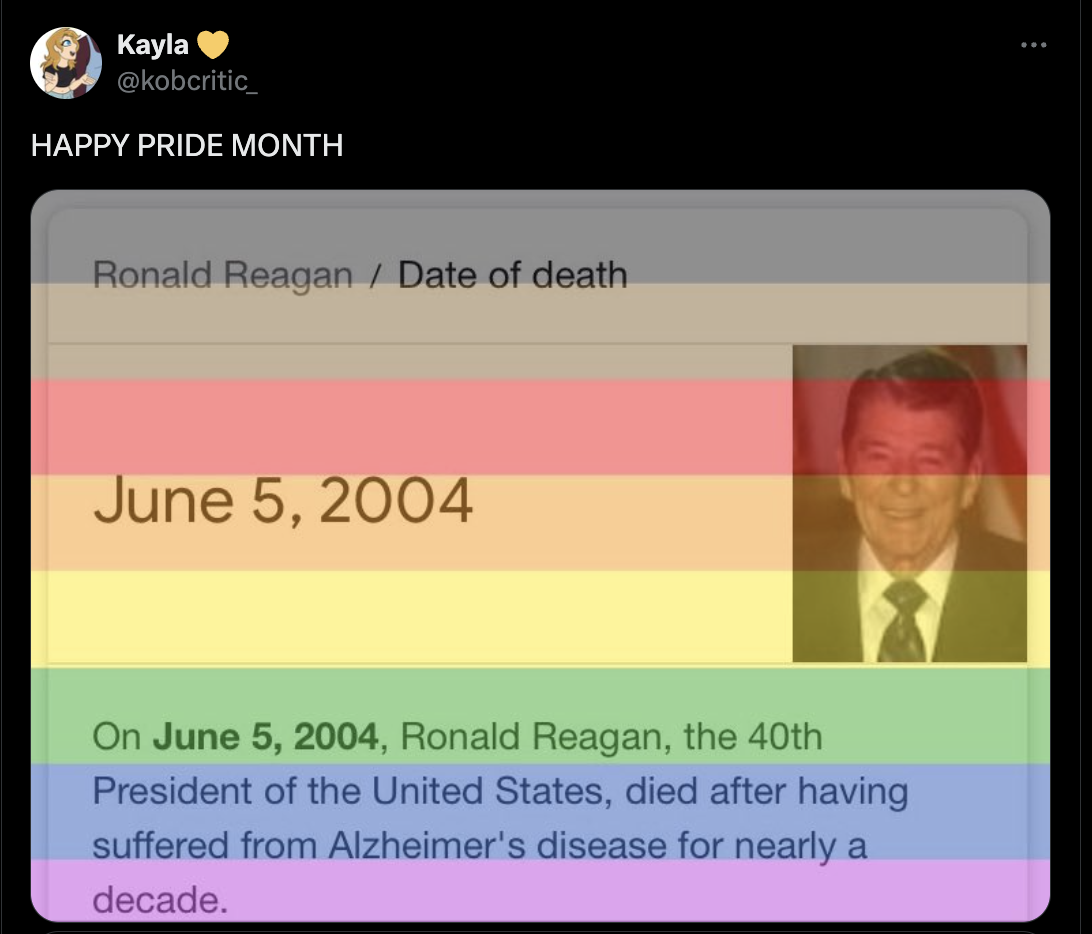
GPlE3YeXcAA1nzG


GPjV6ZpbMAAGrCL


GPj7WQ-WUAAryAc


GPVsu2kXcAABcVy
 
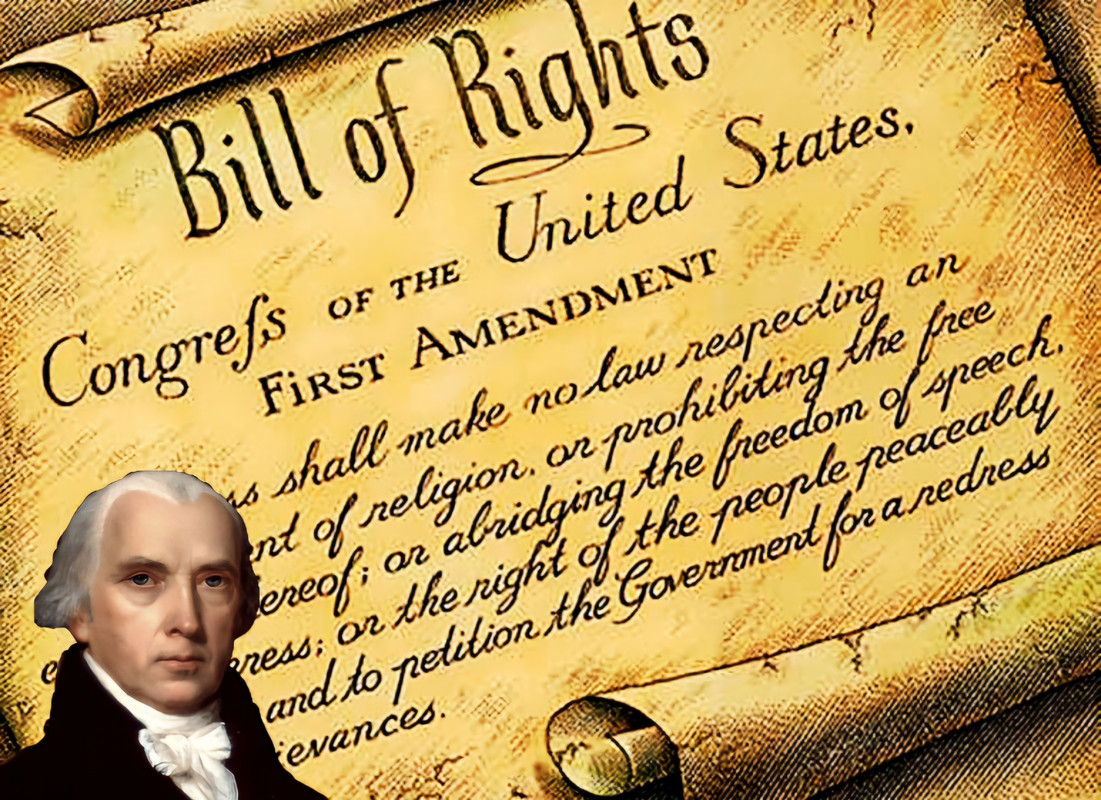
235 years ago, on this day in 1789, the Father of the US Constitution James Madison introduced the Bill of Rights to Congress. The ratification process of the amendments was complete on the 15th of December in 1791. Why am I Brit dating.


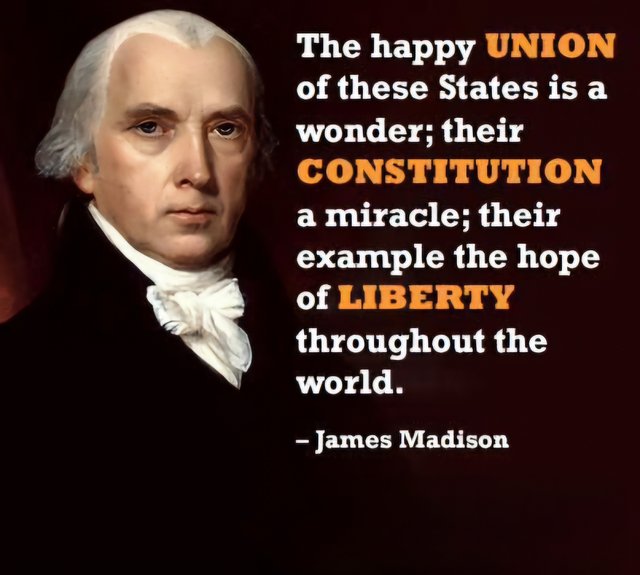
Thanks, bud. And while nobody who browses this thread needs to be told, really don't ever let anyone attempt to gaslight you about "what the framers intended" in regards to the 2A. Madison IS The Framer, and what he intended is very clear.


You have quoted me with dozens of Romero salutes, and they never get old.


You have quoted me with dozens of Romero salutes, and they never get old.


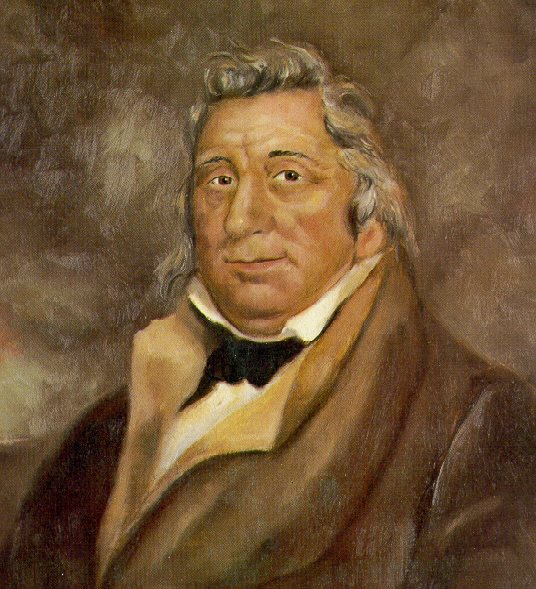
Peter Francisco (born Pedro Francisco; July 9, 1760 – January 16, 1831), known variously as the "India", the "Giant of the Revolution", and occasionally the "Virginia Hercules", was a Portuguese-born American patriot and soldier in the American Revolutionary War.

The 6’8” American Revolution Sherdogger:

1-16-2016-history-blog-giant-peter-francisco_0.jpg

Francisco was part of General "Mad" Anthony Wayne's attack on the British fort of Stony Point on the Hudson River. Upon attacking the fort, Francisco suffered a nine-inch gash in his stomach, but continued to fight; he was second to enter the fort. He killed twelve British grenadiers and captured the enemy flag. Francisco's entry into the fort is mentioned in Wayne's report on the battle to General Washington, dated July 17, 1779, and in a letter written by Captain William Evans to accompany Francisco's letter to the Virginia General Assembly in November 1820 for pay. As a result of being the second man to enter the fort, he received 200 dollars.[2]

Following the Battle of Camden, South Carolina, Francisco noticed the Americans were leaving behind one of their valuable cannons, mired in mud. Legend says he freed and picked up the approximately 1,100-pound cannon and carried it on his shoulder to keep it from falling into the hands of the enemy. In a letter Francisco wrote to the Virginia General Assembly on November 11, 1820, he said that at Camden, he had shot a grenadier who had tried to shoot Colonel Mayo. He escaped by bayoneting one of Banastre Tarleton's cavalrymen and fled on the horse making cries to make the British think he was a Loyalist. The horse was later given to Mayo.[3]
350px-Peter_Francisco_Tarleton_cavalry.jpg

In the 1820 account Francisco describes how, while passing through Amelia County, Virginia(in a part that is now Nottoway County) on his way home, he encountered a detachment of dragoons from the British Legion at Capt. Benjamin Ward's Plantation, “West Creek”.[7]One of the dragoons demanded that he give up his watch and silver shoe buckles. He refused. As the dragoon bent down to take his buckles, Francisco, who was unarmed, reached down and drew the man's sword from its scabbard. He then used the sword to kill the man. According to the Virginia letter, he then "wounded and drove off the others", taking eight of the nine horses [the ninth horse was ridden by one of the horseman who had a large cut on his back].[4] In the 1829 letter to Congress, he claims to have killed two more men and "frightened off the rest of the party, amounting in number to six."[5]
 
Status
Not open for further replies.
Back
Top