
You are using an out of date browser. It may not display this or other websites correctly.
You should upgrade or use an alternative browser.
You should upgrade or use an alternative browser.
Opinion Elon musk isn't happy about declining birth rate
- Thread starter Nameless King
- Start date


- Joined
- Jul 20, 2011
- Messages
- 62,292
- Reaction score
- 49,035
TL;DR:

(phantom @'s)
Take your time navigating a chronological tour of the most consequential federal statutes ever enacted in American history! In the humble opinion and words of one US citizen. This isn't meant to be some standalone essay. I genuinely want your thots on the selections and/or which laws you consider to be the most transformative?
TREATIES OF TRANSFORMATION (1783-1853)
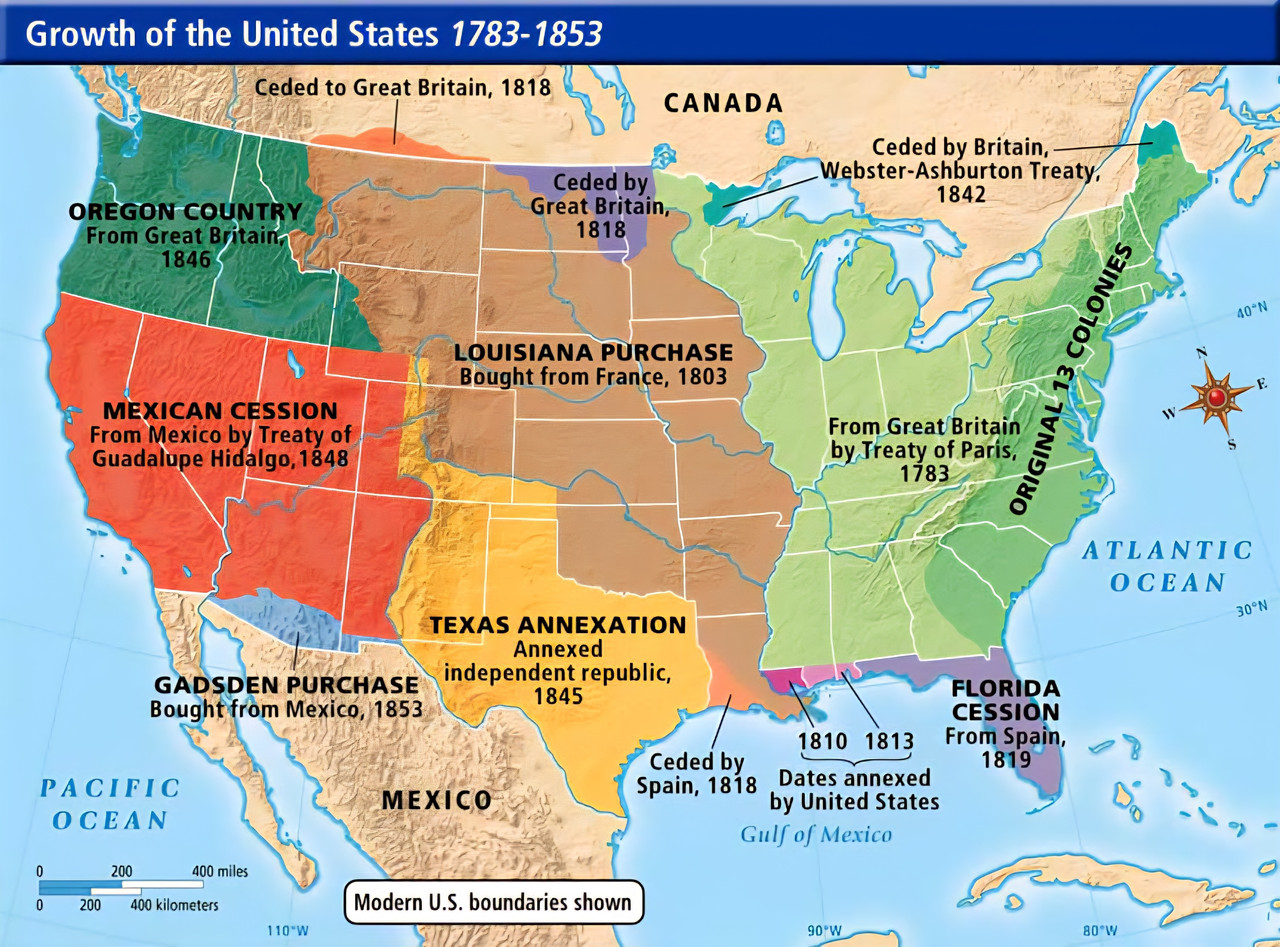
SECOND REPUBLIC: FOUNDER MODE ACTIVATED.
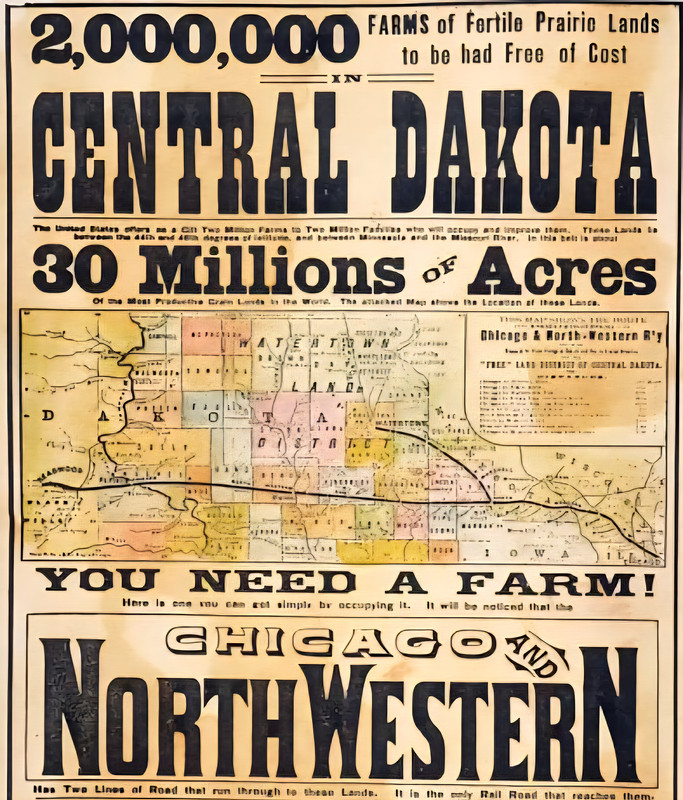
HOMESTEAD ACT (1862)
Enacted by Abraham Lincoln. A major pledge of Abe's campaign, pushed relentlessly by Rep. Galusha Grow. The most extraordinary government sponsored intergenerational wealth transfer to common people in American history. A colossal 270 million acre giveaway that granted 160 acre parcels to individuals (incl. black men, single women, and immigrants) for a miniscule filing fee provided they lived on and cultivated the land for five years. Claimants could opt for the commutation clause and receive title after six months for $1.25 per acre, equivalent to $40/ac today. It had the dual purpose of promoting migration to the American West while preventing the spread of slavery into its territories. The incentives were clearly there, but frontier transport logistics posed a serious challenge. See Also: Land-Grant College Act of 1862.
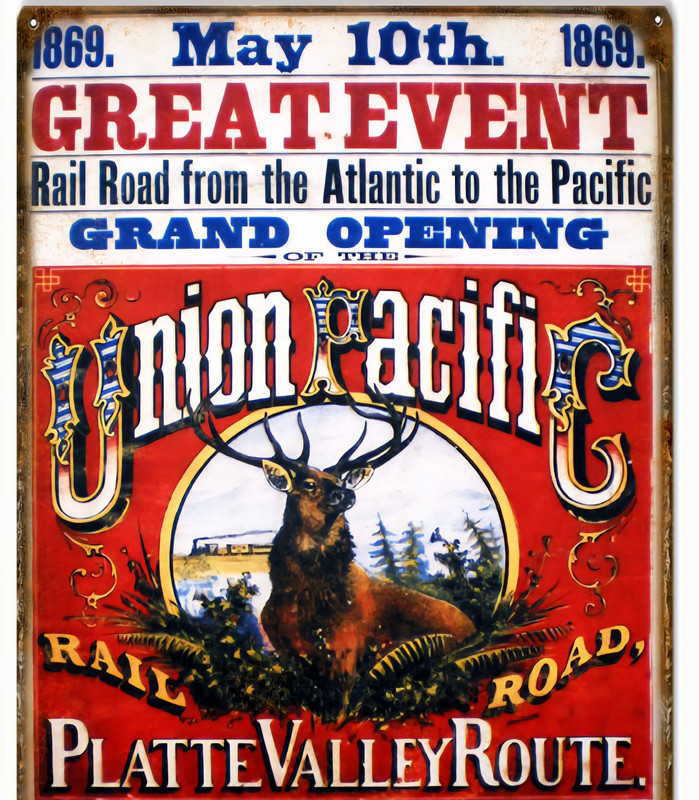
PACIFIC RAILROAD ACT (1862)
Enacted by Abraham Lincoln. It authorized and chartered the most monumental infrastructure project in American history, forging a unified nation and economic market that would become an eminent global superpower. Signed only weeks after Homestead Act and enabled by extensive US government bonds with checkerboard land grants (10s of millions of acres). The first transcontinental railroad to connect the country from coast to coast, with telegraph lines built alongside the tracks. A fundamental annihilation of time and space, it not only drastically slashed cross-country travel times from multiple months to mere days while dropping costs by as much as 85% but revolutionized national communication, commerce, industry, identity, and settlement in every possible way on an unprecedented scale. See Also: Northern Pacific Railroad Act of 1864.
Lincoln is a Top 3 POTUS of All-Time even without the Civil War, Emancipation Proclamation, and 13th Amendment. My family's American origin story is directly tied to the Homestead and Pacific Railroad Acts. The desire to bring Scandinavians to the USA was so strong that specialized agents were dispatched to distribute pamphlets, publish advertisements, and directly recruit them to become Americans. And so they did. Now, I'm here as a descendant of the Norwegian Dakota Boom.
/// THE END
But, nah. The others are found here.
CIVIL RIGHTS ACT (1866)
Enacted by Congress Override. A Fuck You to POTUS (Andrew Johnson) & SCOTUS (Dred Scott vs. Sandford), the first of 19 times Congress would override a White House Veto between 1866-1875 alone. Driven on the floor by Rep. Thaddeus Stevens and engineered by Senator Lyman Trumbull -- who provided the legal authority of the Emancipation Proclamation (1863) and authored the 13th Amendment (1865) to abolish slavery -- the first federal civil rights law in US history and blueprint for Rep. John Bingham's 14th Amendment (1868). The CRA of 1866 defined US citizenship, affirmed that all citizens have equal protection under the law, and declared that all Americans regardless of race or color have the right to create and enforce contracts, sue and give evidence in court, and inherit, purchase, lease, hold, and sell real and personal property. See Also: 15th Amendment (1870), Civil Rights Act of 1870, Civil Rights Act of 1871, Civil Rights Act of 1875.
SHERMAN ANTI-TRUST ACT (1890)
Enacted by Benjamin Harrison. Crafted by Senator John Sherman (brother of General William T. Sherman), the first and only extant anti-trust statute that carries felony sanctions today. It declares any contract, combination, or conspiracy in restraint of commerce or trade to be illegal and prohibits monopolization, attempts to monopolize, and conspiracies to monopolize, while authorizing the DOJ to invoke lawsuits to dissolve monopolies. This is the legal weapon Theodore Roosevelt utilized to launch 44 anti-trust lawsuits as POTUS that led to the dismantling of Northern Securities (J.P. Morgan), Standard Oil (John D. Rockefeller), Swift & Co. (Beef Trust), and American Tobacco. Prior to Roosevelt, it was ironically mostly used to crush organized labor ("combinations in restraint of commerce or trade"). That was brought to screeching halt on September 14th, 1901. See Also: Clayton Anti-Trust Act of 1914.
FOREST RESERVE ACT (1891)
Enacted by Benjamin Harrison. It authorized unilateral power to the POTUS to designate forest reserves. This was actually a provisional rider snuck into a larger land revision bill by Rep. John F. Lacey at the behest of the Boone & Crockett Club (Theodore Roosevelt's conservation organization). After TR ascended to the White House, he wielded the provision to single-handedly create, consolidate, and/or expand a jaw dropping 150 national forests, placing upwards of 190 million acres under federal protection and permanent public ownership. In other words: he established the entirety of the national forest system we have today, created the US Forest Service itself, and separately brought the first 55 national wildlife refuges into existence because he felt like it (seriously). See Also: Transfer Act of 1905.
LACEY ACT (1900)
Enacted by William McKinley. A key goal of Boone & Crockett Club written by Rep. John F. Lacey, this is the foundational US wildlife conservation law which made illegal the malignant industry of commercial market hunting responsible for decimating America's biodiversity since the arrival of Euros, driving many species to the brink of extinction. It effectively closed the interstate loophole that allowed poachers to sell game nationwide by making it a federal crime to import, export, transport, sell, receive, acquire, or purchase any wildlife taken, possessed, or sold in violation of any underlying federal, state, tribal, or foreign law. See Also: Lacey Act of 1894.
ANTIQUITIES ACT (1906)
Enacted by Theodore Roosevelt. Drafted by Rep. John F. Lacey, authorizing unilateral power to the POTUS to designate prehistoric structures, historic landmarks, and areas of cultural or scientific interest as National Monuments. Roosevelt promptly put this conservation tool to use, establishing America's first 18 monuments and wielding it to protect over 800,000 acres of the Grand Canyon from mining interests. It remains an active statute, utilized by nearly every President since. Half of all US national parks in the current system were originally protected as monuments. TR didn't create the NPS: he's the reason it needed to exist at all. See Also: National Park Service Act of 1916.
PURE FOOD & DRUG ACT (1906)
Enacted by Theodore Roosevelt. Legislation that government chemist Harvey Wiley had pursued for decades, the first federal consumer protection law in US history and basis of the FDA. It carried the purpose of preventing the sale of impure, unsafe, or mislabeled foods and drugs. It prohibited the transport of adulterated or misbranded products across state lines, required accurate labeling of ingredients, and banned harmful additives and misleading claims on labels. See Also: Food, Drug, & Cosmetic Act of 1938.
FEDERAL MEAT INSPECTION ACT (1906)
Enacted by Theodore Roosevelt. Pushed through via bully pulpit and spurred on by public uproar in the wake of journalist Upton Sinclair's visceral exposure of the meatpacking industry. It prohibits the sale of adulterated or misbranded meat, sets and requires sanitary conditions in meatpacking plants, and mandates federal inspection of meat products before they can be sold to the public. I say that in present tense because it remains an indispensable cornerstone law of US food safety today, enforced by the USDA. See Also: Wholesome Meat Act of 1967.
CORPORATE DONATIONS ABOLITION ACT (1907)
Enacted by Theodore Roosevelt. Also known as the Tillman Act, this was the first federal campaign finance law in US history. It prohibits banks and corporations from making direct financial contributions to candidates for federal office and bans them from using their treasuries to influence federal elections. It remains in effect today but has unfortunately been circumvented through a variety of methods (PACs), only further enabled by Supreme Court rulings that have solidified the legal fiction of corporations being people. Read: Citizens United vs. FEC (2010)
NATIONAL LABOR RELATIONS ACT (1935)
Enacted by Franklin D. Roosevelt. A cornerstone of the New Deal authored and championed by Senator Robert Wagner, the landmark national labor rights law for private sector employees. It grants them the right to form, join, or assist unions and bargain collectively through representatives of their own choosing. It protects employees who act together to improve working conditions even without a union and prohibits employers from coercing or restraining them from exercising their rights. It created NLRB 2.0 as an independent agency responsible for enforcement. See Also: Fair Labor Standards Act of 1938 (minimum wage, standard work week, required overtime pay, and abolished child labor).
SOCIAL SECURITY ACT (1935)
Enacted by Franklin D. Roosevelt, and drafted by FDR's Committee on Economic Security. Even Non-Americans would be well familiar with this one, which firmly established the precedent that the government bears responsibility for the social and economic welfare of its citizens. Thus, the social safety net was born consisting of an old-age retirement system funded by payroll taxes, a federal-state unemployment insurance system, and aid for dependent children. See Also: Social Security Amendments of 1965 (created Medicare & Medicaid for comprehensive government-funded health insurance to senior citizens, the disabled, and low income families).
SERVICEMEN'S READJUSTMENT ACT (1944)
Enacted by Franklin D. Roosevelt. An American Legion proposal often hailed as foremost responsible for creating the American middle-class. While technically race-neutral, the fatal 'flaw' is that it was implemented on a state & local level. In the South, black veterans were shut out from every single wealth building opportunity. Outside of it, they faired marginally better. With the GI Bill, millions of returning WW2 veterans received government paid tuition to attend universities and vocational schools (plus monthly stipend), government guaranteed mortgages with no down payment (fueling a massive boom in homeownership), and government backed low interest business loans (creating a multitude of small enterprises). See Also: National Interstate Highway Act of 1956.
CIVIL RIGHTS ACT (1964)
Enacted by Lyndon B. Johnson. Introduced by Rep. Emanuel Celler, a revival and expansion of the Civil Rights Act of 1875 written by lifelong abolitionist Senator Charles Sumner that the SCOTUS struck down as Unconstitutional in 1883 (amongst other atrocities). By deliberately utilizing the Commerce Clause of the Constitution, this effort has stood the test of time. In short, it prohibits discrimination on the basis of race, color, religion, sex, or national origin in education, employment, public facilities, public accommodations, and federal assistance programs. See Also: Hart-Celler Act of 1965, Voting Rights Act of 1965, Fair Housing Act of 1968.
CLEAN AIR ACT (1970)
Enacted by Richard Nixon. A complete re-write of the 1963 CAA by Senator Edmund Muskie, it is considered one of the most successful environmental and public health laws in history. It established a comprehensive set of federal and state regulations to limit emissions from both industrial and vehicular sources. The combined emissions of the six most common air pollutants have dropped by 78% in the time since, despite enormous increases in both population and economic output. In aggregate, the Clean Air Act has saved millions of lives and trillions of dollars. It has a sidekick landmark in the Clean Water Act of 1972, also authored by Edmund Muskie ("Mr. Clean"). See Also: Safe Drinking Water Act of 1974.
Action-Packed Adventure!


It's crazy that as you said, even setting aside his generational leadership during the Civil War he was a transformational president.
Leo Tolstoy has a story about visiting an isolated Muslim tribe in the Caucuses who he describes as incredibly ignorant about global affairs and the modern world which he tries to relate to them. Despite this they spontaneously ask Tolstoy to tell them about a great man from the West who is said to stand above all others in his virtues and stature, none other than Honest Abe himself. They couldn't get enough of stories about Lincoln, so much so they send a man with Tolstoy to the nearest town to purchase a picture of him. They idolized the man and heard so much about him but not knowing what he looked like they needed Tolstoy to identify him.

- Joined
- Dec 1, 2020
- Messages
- 9,845
- Reaction score
- 41,586
It's crazy that as you said, even setting aside his generational leadership during the Civil War he was a transformational president.
Leo Tolstoy has a story about visiting an isolated Muslim tribe in the Caucuses who he describes as incredibly ignorant about global affairs and the modern world which he tries to relate to them. Despite this they spontaneously ask Tolstoy to tell them about a great man from the West who is said to stand above all others in his virtues and stature, none other than Honest Abe himself. They couldn't get enough of stories about Lincoln, so much so they send a man with Tolstoy to the nearest town to purchase a picture of him. They idolized the man and heard so much about him but not knowing what he looked like they needed Tolstoy to identify him.
It's a draft OP, lol. I was in the mood to write and create a thread on Sunday, but obviously couldn't on dubs. So I posted and parked it in this one at random for later retrieval. Given absolutely nobody other than you had anything to say (or teach me), it doesn't look too promising. Yikes.


