
You are using an out of date browser. It may not display this or other websites correctly.
You should upgrade or use an alternative browser.
You should upgrade or use an alternative browser.
Count down year by year with real world facts!
- Thread starter Clippy
- Start date


- Joined
- Jun 13, 2015
- Messages
- 55,063
- Reaction score
- 27,972
1816
Year Without a Summer

The year 1816 is known as the Year Without a Summer (also the Poverty Year, the Summer that Never Was, Year There Was No Summer, and Eighteen Hundred and Froze to Death), because of severe climate abnormalities that caused average global temperatures to decrease by 0.4–0.7 °C (0.7–1.3 °F).This resulted in major food shortages across the Northern Hemisphere.
See 1815 for more ....
Year Without a Summer
The year 1816 is known as the Year Without a Summer (also the Poverty Year, the Summer that Never Was, Year There Was No Summer, and Eighteen Hundred and Froze to Death), because of severe climate abnormalities that caused average global temperatures to decrease by 0.4–0.7 °C (0.7–1.3 °F).This resulted in major food shortages across the Northern Hemisphere.
See 1815 for more ....
- Joined
- Jun 13, 2015
- Messages
- 55,063
- Reaction score
- 27,972
1815 eruption of Mount Tambora

The 1815 Eruption of Mount Tambora was one of the most powerful eruptions in recorded history and is classified as a VEI-7 event. The eruption of the volcano, on the island of Sumbawa in the Dutch East Indies (present-day Indonesia), reached a climax on 10 April 1815 and was followed by between six months and three years of increased steaming and small phreatic eruptions.
This event lead to 1816 ^^^ being called the year without summer
The 1815 Eruption of Mount Tambora was one of the most powerful eruptions in recorded history and is classified as a VEI-7 event. The eruption of the volcano, on the island of Sumbawa in the Dutch East Indies (present-day Indonesia), reached a climax on 10 April 1815 and was followed by between six months and three years of increased steaming and small phreatic eruptions.
This event lead to 1816 ^^^ being called the year without summer
- Joined
- Jun 13, 2015
- Messages
- 55,063
- Reaction score
- 27,972
1814
Canada burns the white house down!!!

Ok that statement is not quite historically accurate, but close enough:
In 1814, during the War of 1812 between the United States and England, British troops enter Washington, D.C. and burn the White House in retaliation for the American attack on the city of York in Ontario, Canada, in June 1812.
This guy is right happy about it:

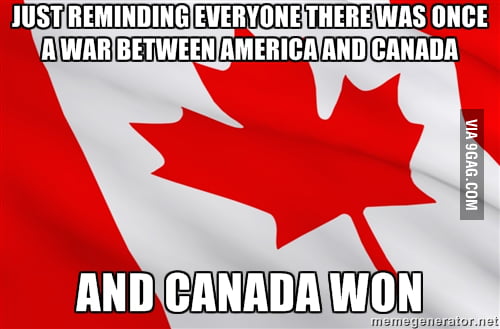
Canada burns the white house down!!!
Ok that statement is not quite historically accurate, but close enough:
In 1814, during the War of 1812 between the United States and England, British troops enter Washington, D.C. and burn the White House in retaliation for the American attack on the city of York in Ontario, Canada, in June 1812.
This guy is right happy about it:
- Joined
- Jul 29, 2017
- Messages
- 120
- Reaction score
- 0
1813
Napoleon's conquest of Europe is pushed back by the 6th coalition after the battle of Leipzig, forcing a French retreat
Napoleon's conquest of Europe is pushed back by the 6th coalition after the battle of Leipzig, forcing a French retreat
- Joined
- Jun 13, 2015
- Messages
- 55,063
- Reaction score
- 27,972
1812
War of 1812: U.S. President James Madison asks the U.S. Congress to declare war on the United Kingdom.

The War of 1812 was a military conflict that lasted from June 18, 1812, to February 18, 1815, fought between the United States of America and the United Kingdom, its North American colonies, and its North American Indian allies. Historians in the United States and Canada see it as a war in its own right, but Europeans often see it as a minor theatre of the Napoleonic Wars. By the war's end in early 1815 the key issues had been resolved and peace came with no boundary changes.
War of 1812: U.S. President James Madison asks the U.S. Congress to declare war on the United Kingdom.
The War of 1812 was a military conflict that lasted from June 18, 1812, to February 18, 1815, fought between the United States of America and the United Kingdom, its North American colonies, and its North American Indian allies. Historians in the United States and Canada see it as a war in its own right, but Europeans often see it as a minor theatre of the Napoleonic Wars. By the war's end in early 1815 the key issues had been resolved and peace came with no boundary changes.


- Joined
- Sep 26, 2016
- Messages
- 21,574
- Reaction score
- 20,708
1809
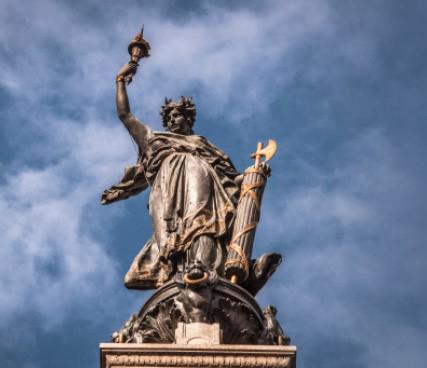
Ecuador declares independence from Spain. After nearly 300 years of Spanish rule, Quito was still a small city numbering 10,000 inhabitants. On August 10, 1809, the city's criollos called for independence from Spain (first among the peoples of Latin America). They were led by Juan Pío Montúfar, Quiroga, Salinas, and Bishop Cuero y Caicedo. Quito's nickname, "Luz de America" ("Light of America"), is based on its leading role in trying to secure an independent, local government. Although the new government lasted no more than two months, it had important repercussions and was an inspiration for the independence movement of the rest of Spanish America.

Ecuador declares independence from Spain. After nearly 300 years of Spanish rule, Quito was still a small city numbering 10,000 inhabitants. On August 10, 1809, the city's criollos called for independence from Spain (first among the peoples of Latin America). They were led by Juan Pío Montúfar, Quiroga, Salinas, and Bishop Cuero y Caicedo. Quito's nickname, "Luz de America" ("Light of America"), is based on its leading role in trying to secure an independent, local government. Although the new government lasted no more than two months, it had important repercussions and was an inspiration for the independence movement of the rest of Spanish America.
- Joined
- Sep 26, 2016
- Messages
- 21,574
- Reaction score
- 20,708
1808

The House of Braganza transfers their royal (hoyal) court to the Portuguese state of Brazil facing Napoleonic invasion in Portugal. Some time after they had crossed the Atlantic, a royal decree changed the status of Brazil from a Portuguese colony into kingdom alongside Portugal, and the United Kingdom of Portugal, Brazil and the Algarves was formed. In 1821, D. Joao VI, who succeeded in 1816, returned to Portugal.

The House of Braganza transfers their royal (hoyal) court to the Portuguese state of Brazil facing Napoleonic invasion in Portugal. Some time after they had crossed the Atlantic, a royal decree changed the status of Brazil from a Portuguese colony into kingdom alongside Portugal, and the United Kingdom of Portugal, Brazil and the Algarves was formed. In 1821, D. Joao VI, who succeeded in 1816, returned to Portugal.

- Joined
- Sep 26, 2016
- Messages
- 21,574
- Reaction score
- 20,708
1806

Future President Andrew Jackson kills Charles Dickinson in a duel after Dickinson accused Jackson's wife of bigamy. Dickinson did fire first, hitting Jackson in the chest. Under the rules of dueling, Dickinson had to remain still as Jackson took his one shot. Jackson's pistol stopped at half cock, so he drew back the hammer and aimed again, this time hitting Dickinson in the chest. Dickinson bled to death.

Future President Andrew Jackson kills Charles Dickinson in a duel after Dickinson accused Jackson's wife of bigamy. Dickinson did fire first, hitting Jackson in the chest. Under the rules of dueling, Dickinson had to remain still as Jackson took his one shot. Jackson's pistol stopped at half cock, so he drew back the hammer and aimed again, this time hitting Dickinson in the chest. Dickinson bled to death.
- Joined
- Sep 26, 2016
- Messages
- 21,574
- Reaction score
- 20,708
1805
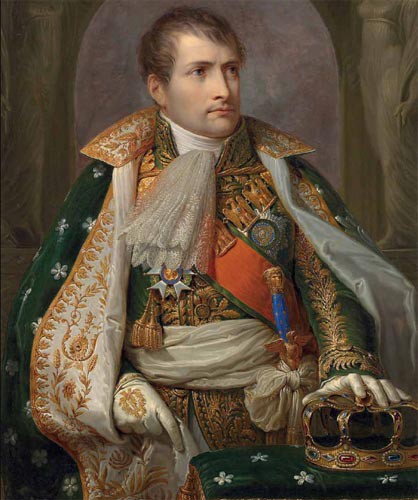
Napoleon is crowned King of Italy. The Kingdom of Italy was born on March 17, 1805, when the Italian Republic, whose president was Napoleon Bonaparte, became the Kingdom of Italy, with the same man (now styled Napoleon I) as King of Italy, and the 24-year-old Eugène de Beauharnais his viceroy.

Napoleon is crowned King of Italy. The Kingdom of Italy was born on March 17, 1805, when the Italian Republic, whose president was Napoleon Bonaparte, became the Kingdom of Italy, with the same man (now styled Napoleon I) as King of Italy, and the 24-year-old Eugène de Beauharnais his viceroy.
- Joined
- Sep 26, 2016
- Messages
- 21,574
- Reaction score
- 20,708
1804
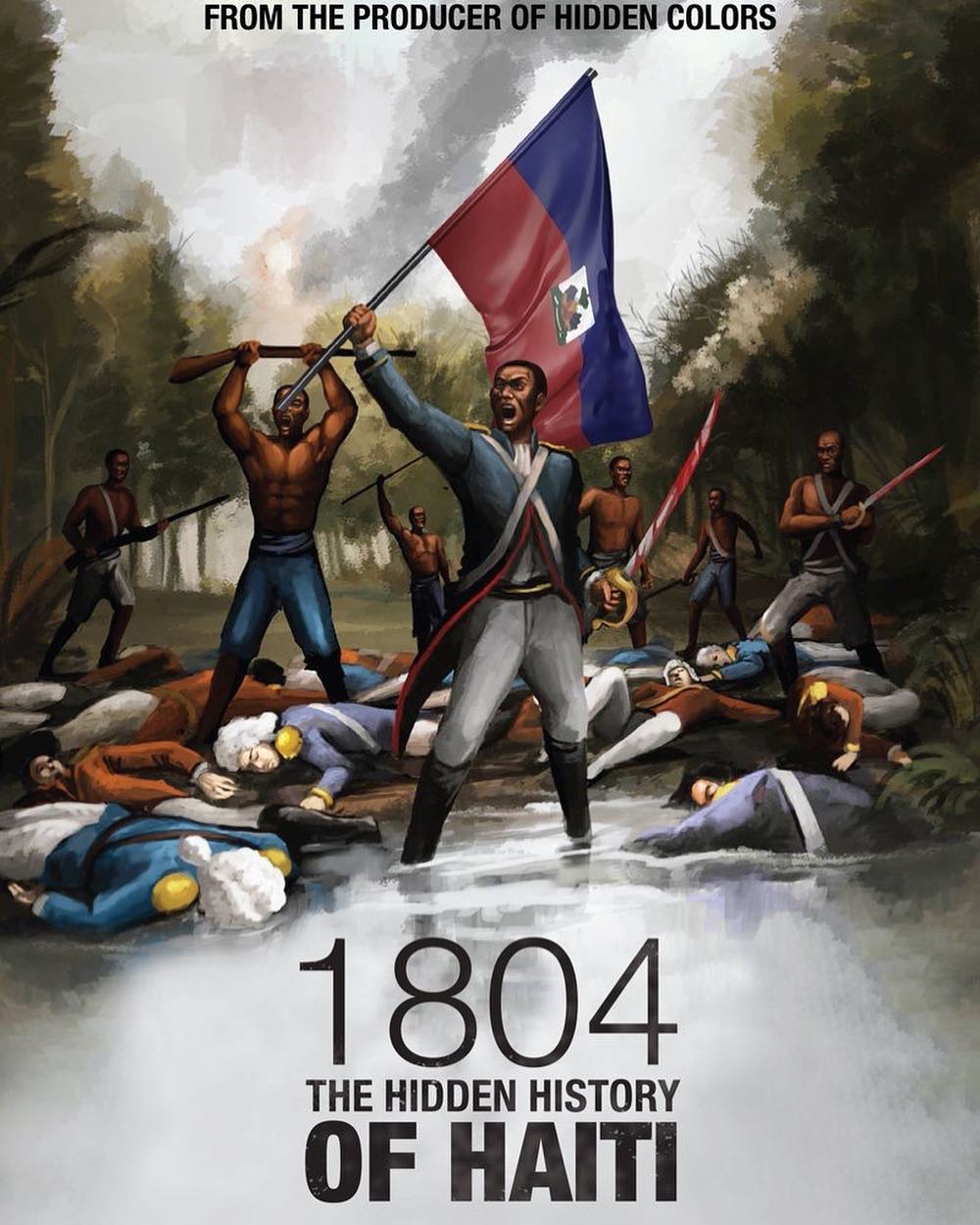
Haiti receives independence from France becoming the first Black republic and the first ever successful slave revolt.


Haiti receives independence from France becoming the first Black republic and the first ever successful slave revolt.
- Joined
- Sep 26, 2016
- Messages
- 21,574
- Reaction score
- 20,708
1803

The Louisiana Purchase. The United States acquired the vast domain of Louisiana Territory, some 828,000 square miles of land. The treaty was dated April 30 and signed on May 2. In October, the U.S. Senate ratified the purchase, and in December 1803 France transferred authority over the region to the United States.
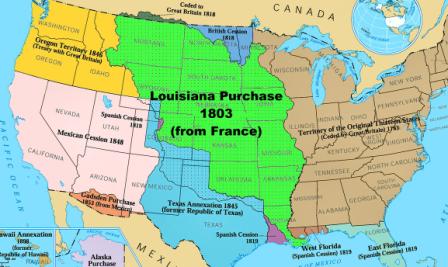
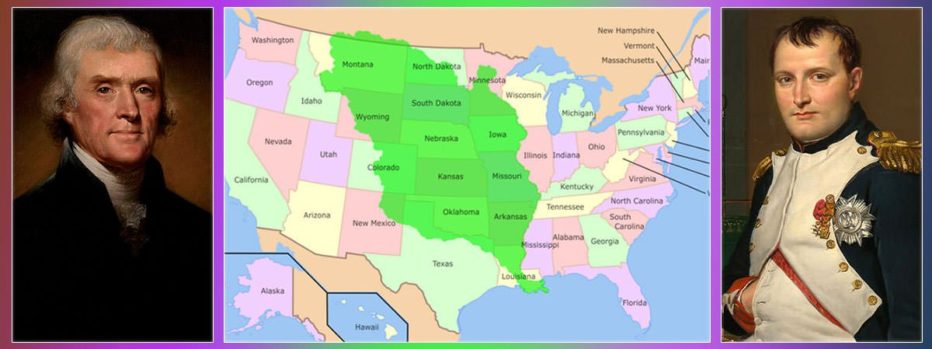
The Louisiana Purchase. The United States acquired the vast domain of Louisiana Territory, some 828,000 square miles of land. The treaty was dated April 30 and signed on May 2. In October, the U.S. Senate ratified the purchase, and in December 1803 France transferred authority over the region to the United States.
- Joined
- Sep 26, 2016
- Messages
- 21,574
- Reaction score
- 20,708
1802

Napoleon reinstates slavery in French colonies. The French Law of 20 May 1802 was passed that day (30 floréal year X), revoking the Law of 4 February 1794 (16 pluviôse) which had abolished slavery in all the French colonies.
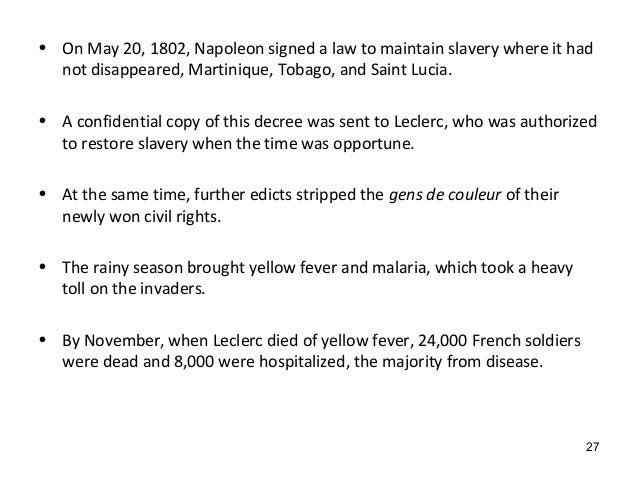
Napoleon reinstates slavery in French colonies. The French Law of 20 May 1802 was passed that day (30 floréal year X), revoking the Law of 4 February 1794 (16 pluviôse) which had abolished slavery in all the French colonies.
- Joined
- Sep 26, 2016
- Messages
- 21,574
- Reaction score
- 20,708
1801

Thomas Jefferson is sworn in as the 3rd President of the United States. Resolving an electoral tie between Jefferson and Aaron Burr.
/https://public-media.smithsonianmag.com/filer/Thomas-Jefferson-Aaron-Burr-631.jpg)
Thomas Jefferson is sworn in as the 3rd President of the United States. Resolving an electoral tie between Jefferson and Aaron Burr.
- Joined
- Sep 26, 2016
- Messages
- 21,574
- Reaction score
- 20,708
1800

Ludwig Van Bethoven's Symphony No. 1 premiers at the Burgtheater in Vienna.
Ludwig Van Bethoven's Symphony No. 1 premiers at the Burgtheater in Vienna.
- Joined
- Sep 26, 2016
- Messages
- 21,574
- Reaction score
- 20,708
Latest posts
-

-

-

-
 2026 Its a long way to the top if you want to rock and roll log!
- Latest: ROcknrollracing
